
How to Start a Car Club: Steps, Structure and Growth Tips
Learn how to start a car club: pick a focus, choose a structure such as a 501(c)(7) social club, set dues, plan events, handle insurance and grow membership.
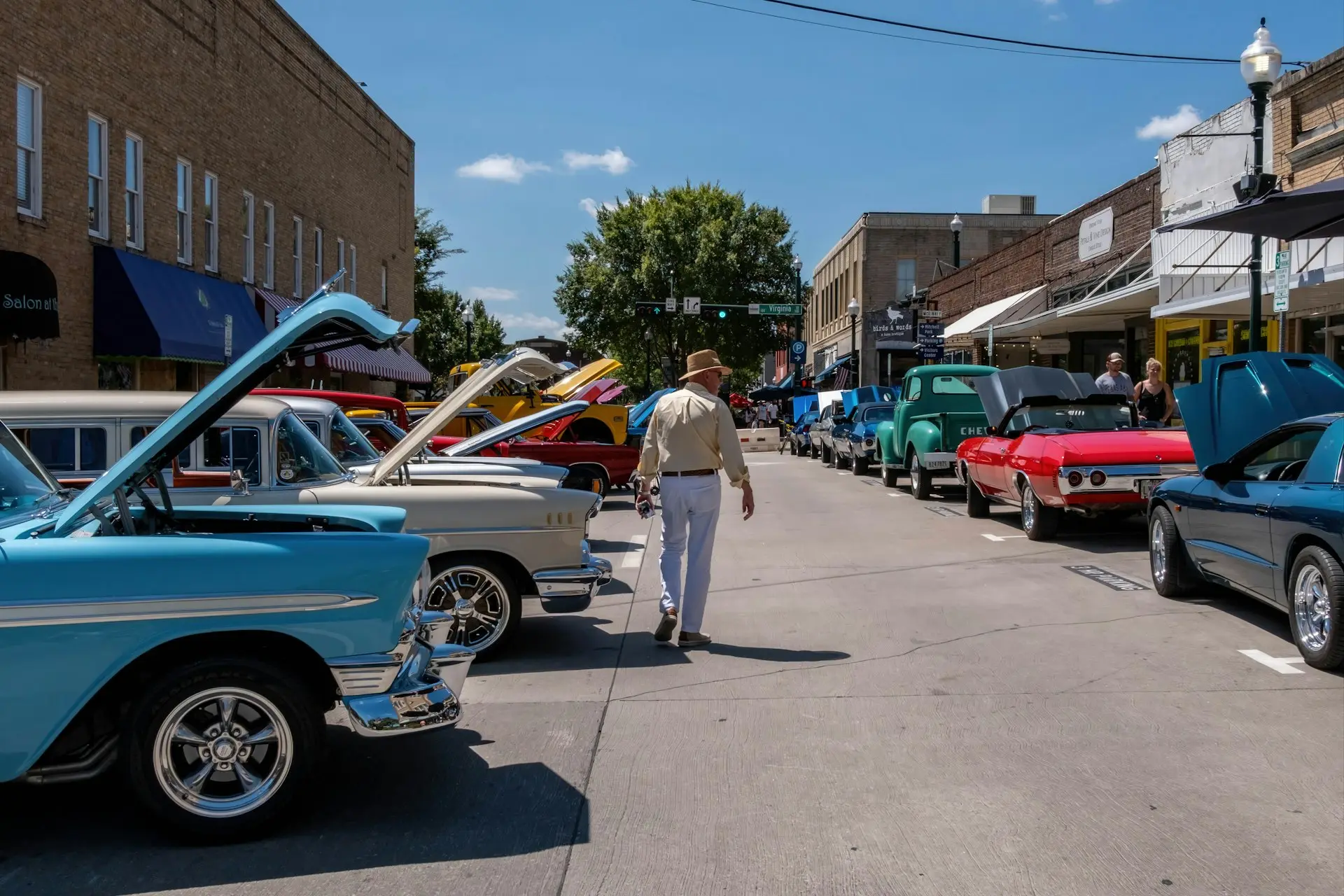
It starts small. Five friends with air-cooled Volkswagens meet in a shopping center parking lot outside Phoenix on Saturday mornings. Six months later, 30 cars show up, the group chat has 140 people in it, someone wants club T-shirts, and the property manager has started asking questions. You don't have a club yet. You have a crowd.
Starting a car club turns that crowd into something that lasts: a clear focus, a few people with defined jobs, simple rules, dues that cover real costs, and events members look forward to. Whether you're into muscle cars, Miatas, lowriders, overland rigs or EVs, the steps are the same, and most of them take an afternoon, not a lawyer.
This guide covers choosing your club type and legal structure, launching in eight steps, planning events, handling insurance and waivers responsibly, and growing membership after the first season.
Decide What Kind of Car Club You're Building
Your focus decides who joins, what you do together and how much risk you take on. Be specific. "Car enthusiasts in Tucson" is a crowd; "owners and fans of pre-1980 Japanese cars in Southern Arizona" is a club.
| Club focus | Typical members | Core activities | Planning complexity |
|---|---|---|---|
| One make or model | Owners of a specific brand or model | Meetups, tech sessions, regional shows | Low to medium |
| Era or style | Classic, muscle, hot rod, lowrider, import tuner fans | Cruises, shows, build nights | Medium |
| Off-road and overland | Truck and SUV owners | Trail runs, recovery training, camping trips | Medium to high |
| Electric vehicles | EV owners and prospective buyers | Charging road trips, ride-and-drives, education | Low to medium |
| Driving and motorsport | Drivers who want seat time | Autocross, track days, rallies | High |
| Open community | Anyone who likes cars | Cars and coffee, charity shows, family events | Low to high |
Also decide early whether you're social or competitive, and how far you'll travel. A club built around monthly breakfast meetups needs very different rules from one that runs timed events.
Choose a Structure: Informal Group, Incorporated Club or 501(c)(7)
Clubs often start informally and formalize when money, property or risk enters the picture. Here's how the options compare.
| Structure | Good for | What it takes | Limitations |
|---|---|---|---|
| Informal group | Meetups with no money changing hands | A group chat and a few organizers | No bank account, no contracts, unclear responsibility |
| Unincorporated association | Clubs collecting dues and running small events | Written rules, officers, an EIN and a bank account | Leaders' personal liability depends on your state's law |
| Nonprofit corporation | Clubs signing venue contracts, holding equipment or running shows | State filing, bylaws, a board and annual state reports | More paperwork and formal meetings |
| Nonprofit corporation recognized as a 501(c)(7) | Established clubs with steady dues income | Everything above, plus IRS rules for social clubs | Limits on income from nonmembers |
What 501(c)(7) Status Means for a Car Club
Section 501(c)(7) covers social and recreation clubs. IRS Publication 557 lists hobby clubs and amateur sport clubs among the typical organizations in this category. The key requirements:
- The club is organized for pleasure, recreation and similar nonprofitable purposes, and substantially all of its activities serve those purposes.
- Members have personal contact and fellowship, and membership is limited.
- The club is supported mainly by dues, fees and assessments from members.
- It can receive up to 35% of gross receipts, including investment income, from outside its membership, and no more than 15% of gross receipts from the general public's use of its facilities or services.
- Its governing documents can't provide for discrimination based on race, color or religion, with narrow exceptions.
Two consequences often catch club leaders off guard. First, donations to a 501(c)(7) aren't deductible as charitable contributions. Second, social clubs can't exclude investment income from unrelated business income the way most exempt organizations can, according to IRS Publication 598, so interest on a large reserve can be taxable.
Applying is optional. A social club may self-declare its status by following the rules and filing annual returns, or file Form 1024 for a determination letter; the user fee is $600 under Revenue Procedure 2026-5. Clubs with gross receipts normally of $50,000 or less generally file the Form 990-N e-Postcard each year.
For a side-by-side look at social clubs, business leagues and charities, see how to start an association. For anything beyond basic questions, talk with a CPA or attorney in your state.

How to Start a Car Club in 8 Steps
1. Write a Purpose and Membership Rules
One or two sentences: who the club is for and what you do together. Then answer the questions that cause arguments later. Do members need to own the car, or can fans join? Are project cars welcome? Can a spouse or partner join on the same membership?
2. Recruit a Founding Crew
Three to five people with defined roles beat fifteen with good intentions. The core jobs are president, treasurer, events lead, communications lead and membership lead. One person can cover two roles at first, but never let the same person hold the money and approve the spending.
3. Choose a Name and Identity
Pick a name that's easy to say, search and fit on a windshield banner. Be careful with manufacturer names and logos: they're usually registered trademarks, and putting them on club merchandise or in your name can create problems. Check the rules before you order shirts, or design your own logo that doesn't borrow theirs.
4. Hold an Interest Meeting
Invite everyone from the parking lot and the group chat. A one-hour agenda works:
- Welcome and why we're forming a club (10 minutes)
- Proposed purpose, membership rules and dues (15 minutes)
- First three events on the calendar (15 minutes)
- Volunteer sign-up for roles and event helpers (10 minutes)
- Questions and next steps (10 minutes)
Collect names, email addresses and vehicle details on a sign-up sheet or form. That list becomes your first member database.
5. Adopt Simple Bylaws and a Code of Conduct
Even an informal club benefits from two pages of written rules: officer roles and terms, how elections work, who can spend money, how dues are set and how members can be removed. Our bylaws guide covers the standard clauses.
Pair the bylaws with a code of conduct that every member accepts when joining: no street racing, burnouts or reckless driving at or near club events, respect for venues and neighbors, and clear consequences. Property owners and cities remember the club that left tire marks.
6. Set Dues and Open a Bank Account
Set dues from a real budget. Here's a hypothetical first-year budget for a 40-member club:
| Expense | Year 1 |
|---|---|
| Website, domain and software | $400 |
| Awards, dash plaques and banners | $900 |
| Venue rentals and deposits | $700 |
| Event insurance (placeholder; get quotes) | $1,000 |
| Printing and supplies | $300 |
| Reserve | $300 |
| Total | $3,600 |
At 40 members, that's $90 per year. You might add a $20 household add-on for a partner, and a prorated rate for anyone joining after midseason.
Open a bank account in the club's name. Banks typically ask for an EIN, which is free from the IRS, and for a record of who's authorized to sign. Require two officers to approve larger expenses. Our guide on collecting membership dues online covers renewal reminders and payment tracking.
7. Give the Club a Communication Home
Group chats work until they don't: new members can't find event details, announcements drown in photos, and nobody knows who's actually a paid member. Move official information to one place and keep the chat for banter.
campai's Community App gives members chat, contacts, events and tasks on iPhone, Android and the web, and you can organize teams and subteams, such as a show committee or a track-day group.
8. Host Your First Event
Start with something low-risk and repeatable, like a monthly cars and coffee. Get written permission from the property owner, set arrival and departure rules, assign two volunteers to greet newcomers and hand out membership information, and leave the lot cleaner than you found it.
Plan Events Members Remember
A good season mixes low-effort regulars with a few bigger moments.
| Event type | Effort | Planning notes |
|---|---|---|
| Cars and coffee | Low | Owner permission, arrival and exit rules, cleanup |
| Cruise or road tour | Medium | Route with regroup points, group size limits, no racing, a sweep car at the back |
| Tech or garage day | Medium | Host shop, safety rules for jacks and lifts, sign-in sheet |
| Car show | High | Venue contract, registration, judging classes, vendors, permits, insurance certificate |
| Autocross or track day | High | Usually run with an established track or sanctioning organization that sets safety rules |
| Banquet or holiday party | Medium | Venue, menu, awards, family-friendly options |
For shows and paid events, online registration saves hours. Collect year, make, model and display class so you can plan parking and judging, set entry fees and a cap, and keep a waiting list. Our event registration form template lists useful fields, and our guide on how to plan an event has a full planning checklist.
Insurance, Waivers and Permits: Read This Before Your First Show
This section is a caution, not legal or insurance advice. Rules and coverage differ by state, venue and insurer.
- Venues may require proof of insurance. Shopping centers, parks and fairgrounds may ask for a certificate of insurance that names them as an additional insured. Ask early, because getting coverage takes time.
- Personal auto policies may not cover club activities. Track days, autocross and other timed events can be excluded from personal auto coverage. Ask your insurer before any member drives on a track.
- Incorporated clubs should consider directors and officers coverage for the people making decisions on the club's behalf.
- Waivers help but don't replace insurance or safety. How enforceable a waiver is depends on state law and wording. Have a local attorney review yours, and keep signed copies with the event records.
- Permits come from the city or county. Road closures, parades, large public gatherings, food vendors and alcohol can each require separate permission.
Talk with an independent insurance agent who handles event or club coverage, and budget for it before you promise a venue anything.
Grow Your Car Club
Growth comes from being visible at the right places and making new members feel at home quickly.
| Tactic | Effort | Why it works |
|---|---|---|
| A club canopy and sign-up QR code at regional shows | Low | Meets enthusiasts where they already are |
| Member referrals with a small thank-you, such as a free event entry | Low | Members know who'd fit |
| Partnerships with detailers, tire shops and restoration shops | Medium | Host locations, member discounts and shop-window flyers |
| Build features and member spotlights on social media | Medium | Gives people a reason to follow and join |
| Open events for newcomers, like a "first meet" each quarter | Low | Lowers the barrier for people without show-ready cars |
For referral mechanics, see member referral programs. Then make sure new members actually stick: a welcome message within a day, a personal invite to the next event, and a buddy who introduces them around. Our member onboarding process guide lays out the first 90 days.
Watch for the classic growth trap: the founders' inner circle feeling like the "real" club. Rotate event hosts, ask newer members to lead a cruise, and recognize volunteers publicly.
Keep the Club Running After Year One
Clubs rarely fail because people stop liking cars. They fail when the same three people burn out or when records leave with an outgoing treasurer. Protect against both:
- Keep records in one place: member list, vehicle details, dues status, event history, bank statements and insurance certificates.
- Hold an annual meeting with elections, a budget review and next season's calendar.
- Write a one-page handover note for every officer role.
- Review dues annually against actual costs.
campai's member management supports custom fields, so you can store each member's year, make and model, plus tags and saved filters, such as everyone with a pre-1975 car or everyone who hasn't attended this season. See how it fits on the clubs solution page.
Frequently Asked Questions
Do you need insurance to start a car club?
Not to form one, but you'll likely need coverage before hosting events. Venues may require a certificate of insurance, and personal auto policies may exclude timed or track events. Talk with an insurance agent before your first organized event.
How much should car club dues be?
Divide your annual budget by the number of members you realistically expect to pay. One approach is to keep dues modest and charge separately for big events, so casual members aren't subsidizing the show.
Is a car club a nonprofit?
It can be. A car club can incorporate as a nonprofit corporation under state law, and IRS Publication 557 lists hobby clubs among typical 501(c)(7) social clubs. Payments to a 501(c)(7) aren't deductible as charitable contributions.
Can our car club host a charity car show?
Yes, but plan the money flow. Donations to a social club aren't charitable contributions, and income from the public counts toward the 501(c)(7) limits on nonmember income. A practical approach is to partner with a 501(c)(3) that receives donations directly. Ask a CPA how to structure it.
How many members do you need to start a car club?
There's no minimum for an informal club. If you incorporate, your state sets the minimum number of directors. Practically, a committed core of three to five people can launch a club of any size.
Do we need a website?
Not on day one, but a simple site with your purpose, calendar, membership rules and a join form helps people outside your group chat find you. Pair it with digital membership cards if members get discounts at partner shops.
Next Steps
- Write your one-sentence purpose and membership rules this week.
- Recruit three to five founders and assign the five core roles.
- Hold an interest meeting and collect contact and vehicle details.
- Adopt simple bylaws and a code of conduct, then set dues from a real budget.
- Call an insurance agent before you book your first show.
- Put a 12-month event calendar together and invite every newcomer personally.