
How to Plan an Event: Budget, Timeline and Checklist
Learn how to plan an event step by step, with a sample budget in USD, break-even math, a run of show and a checklist from six months out to the day after.

Your board wants an awards dinner in late April. You have 150 members who might come, a treasurer who wants to know whether it will lose money, and three volunteers who have never run an event together. Where do you start?
Plan an event in five phases: define the purpose and audience, budget before you book anything, book the date, venue and program, promote and open registration, then run and follow up. For a member event of 50 to 300 people, plan on about six months for that sequence. Small socials can work in eight weeks; multi-day conferences need a year or more.
This guide walks through each phase with a worked budget in USD, a run of show and a checklist from six months out to the day after. It's written for clubs, associations, chambers, nonprofits and booster clubs that plan events with a small staff and a lot of volunteers.
Start With Purpose, Audience and Format
Every later decision, from the venue to the ticket price, gets easier when the team agrees on three answers first: why the event exists, who it is for, and what the attendee should walk away with.
Write a one-page event brief
Before anyone calls a venue, put these points on one page and get the board or event committee to approve it:
- Purpose: One sentence, such as "Recognize volunteers and give new members a reason to meet the board."
- Audience: Who you are inviting and roughly how many. Members only, members plus guests, or open to the public.
- Success measures: Two or three numbers you can check afterward, such as 140 paid guests, a net surplus of at least $500 and 20 first-time attendees.
- Format: In person, virtual or hybrid, and the rough shape (dinner, workshop, tournament, open house).
- Budget guardrail: The maximum loss the board will accept, or the surplus it expects.
- Date window and decision owner: The months you are considering and the person who makes final calls.
When a volunteer suggests a live band halfway through planning, you check it against the purpose and the budget guardrail instead of arguing about taste.
Choose the format that fits the goal
| Format | Works well for | Typical lead time | Watch out for |
|---|---|---|---|
| Social or mixer | Retention, welcoming new members | 6–8 weeks | Low commitment means more no-shows |
| Workshop or training | Member education, continuing education credits | 2–3 months | Speaker availability and materials |
| Dinner or awards event | Recognition, sponsor visibility | 4–6 months | Catering minimums and contracts |
| Fundraiser or gala | Revenue for programs | 6–9 months | Donation rules and sponsor sales take time |
| Tournament or outdoor event | Community visibility, family audiences | 4–6 months | Permits, weather and insurance |
| Conference | Education, networking, exhibitors | 9–18 months | Venue contracts and speaker programs |
| Virtual session | Reaching members spread across a state or the country | 4–8 weeks | Engagement on screens |
If your event is a multi-day program with breakout sessions and exhibitors, use the conference planning guide after you finish the brief. If it runs online or in two places at once, the virtual and hybrid conference guide covers the platform and production side.
Build the Team and Name an Owner for Each Area
Events fail in the gaps between people: "someone was going to order the name badges." Give every area exactly one owner, even if one volunteer owns three areas.
| Role | Owns | Typical person in a small organization |
|---|---|---|
| Event lead | Brief, timeline, final decisions, weekly check-ins | Committee chair or staff member |
| Budget owner | Budget, contracts, deposits, reconciliation | Treasurer |
| Venue and logistics | Venue, catering, AV, rentals, signage | Volunteer with event experience |
| Program | Speakers, agenda, awards, run of show | Board member or committee member |
| Registration | Form, pricing, confirmations, attendee list, check-in | Membership coordinator |
| Marketing | Announcements, emails, social posts, invitations | Communications volunteer |
| Sponsors | Prospect list, packages, sponsor benefits | Development lead or a well-connected member |
| Volunteers | Recruiting, shift schedule, briefing | Volunteer coordinator |
| Day-of captain | Runs the day, keeps the problem log | Event lead or a second experienced volunteer |
Hold a 20-minute check-in every two weeks until the final month, then weekly. Each owner reports three things: done since last time, due next, and blocked. Keep a single shared task list with owners and due dates rather than separate spreadsheets for each area.
Set the Budget Before You Book Anything
Without a budget, you end up choosing suppliers based on what sounds nice rather than what the event can afford.
Worked example: a 150-guest awards dinner
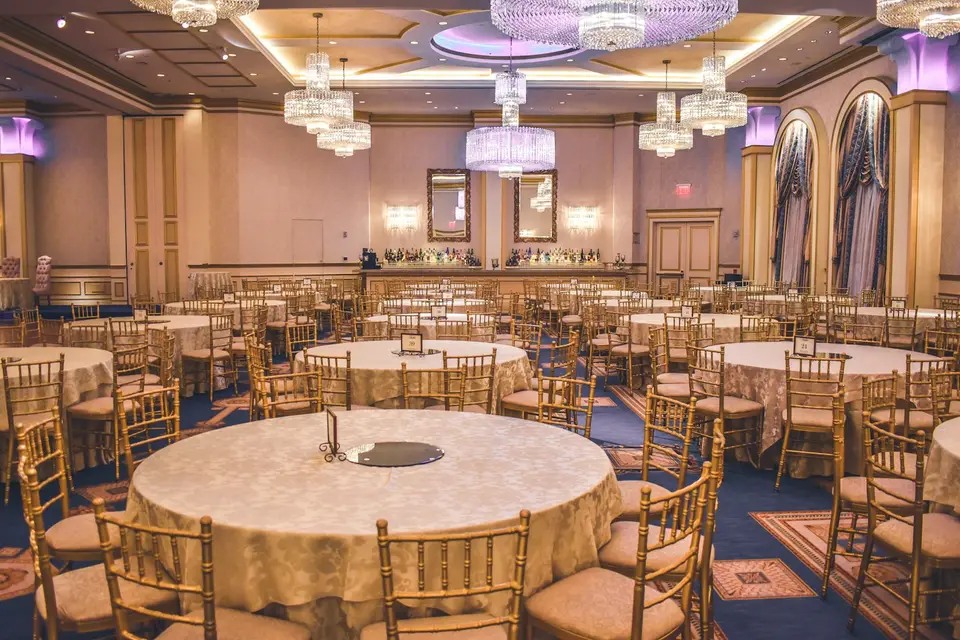
Here is a realistic budget for an association's annual awards dinner on a Saturday evening in a hotel banquet room. Treat the amounts as an example, not a benchmark; your quotes will differ by city and venue.
| Line item | Calculation | Amount |
|---|---|---|
| Expenses | ||
| Banquet room rental | 5 hours | $1,200 |
| Dinner and soft drinks | 150 guests × $52 | $7,800 |
| Service charge and sales tax | From the venue quote | $2,150 |
| AV package | Projector, screen, 2 microphones, technician | $850 |
| Decor and centerpieces | 15 tables | $450 |
| Awards and engraving | 8 plaques × $80 | $640 |
| Photographer | 3 hours | $600 |
| Printing | Programs, signage, name badges | $300 |
| Event liability insurance | One-day policy | $250 |
| Keynote speaker | Honorarium and travel | $1,000 |
| Online payment fees | Estimate | $350 |
| Volunteer meals | 8 volunteers | $200 |
| Contingency | 10% of the subtotal above | $1,580 |
| Total expenses | $17,370 | |
| Income | ||
| Member tickets | 110 × $95 | $10,450 |
| Guest and nonmember tickets | 30 × $120 | $3,600 |
| Complimentary seats | 10 for honorees, speaker and volunteers | $0 |
| Presenting sponsor | 1 × $2,500 | $2,500 |
| Table sponsors | 2 × $750 | $1,500 |
| Total income | $18,050 | |
| Projected surplus | Income minus expenses | $680 |
If the contingency stays unspent, the surplus grows to $2,260. That's the right way around: plan to break even with the contingency spent, and treat any leftover as a bonus.
Find your break-even point
The treasurer's real question is how many tickets you need to sell before you stop losing money. Split costs into two groups:
- Fixed costs don't change with headcount: room rental, AV, decor, awards, photographer, printing, insurance, speaker, volunteer meals, payment fees and contingency. In the example, that's $7,420.
- Per-guest costs rise with every seat: dinner plus service charge and tax, about $66 per guest.
Each paid ticket averages about $100, so it contributes roughly $34 after its own meal. Sponsors cover $4,000 of the fixed costs. The remaining $3,420, plus about $660 for the ten complimentary meals, means you need around 120 paid tickets ($4,080 ÷ $34) to break even. Below that, you lose money; above it, you build the surplus.
Two practical consequences follow. First, check the venue's food and beverage minimum and guarantee deadline, because you will usually pay for the guaranteed count even if fewer people show up. Second, set your go or no-go date: if you have fewer than 90 paid registrations three weeks out, the committee decides whether to push promotion harder, cut costs or cancel within the contract terms.
When part of a ticket is a donation
If you're a 501(c)(3) charity and the event is a fundraiser, part of each ticket may be a charitable contribution. When a donor pays more than $75 and receives a meal or other benefits in return, the IRS requires a written disclosure that explains the deductible amount is limited and gives a good faith estimate of the value received. The IRS explains this on its page about quid pro quo contributions. The fundraising gala guide covers ticket pricing and sponsorship for that kind of event in detail.
Lock In the Date, Venue and Permits
With an approved budget, you can book with confidence. The date and the venue are usually decided together, because the venue you want may only be free on certain weekends.
Pick a date that your members can actually attend
Check these before you commit:
- Religious and cultural holidays, including ones your board may not observe itself
- School calendars, spring break and graduation weekends if members have children
- Your own organization's calendar: board meetings, renewal season, other events
- Competing events in your field or town, such as a regional industry conference or a chamber gala
- Weather and daylight for outdoor events
- Your speaker's or guest of honor's availability, before you sign anything with the venue
If you're unsure, offer two or three dates to a small group of members and ask which ones they could attend. A quick poll beats guessing.
Ask the venue the right questions
Get written answers to these before you sign:
- Capacity for your layout (banquet rounds hold fewer people than theater seating)
- Accessibility: step-free entrance, accessible restrooms, elevator access, accessible parking and seating
- Food and beverage: minimum spend, guarantee deadline, service charge, outside catering rules, alcohol policy
- AV: what's included, in-house AV requirements, fees for bringing your own equipment
- Timing: load-in and load-out times, end time, overtime charges
- Money: deposit schedule, cancellation fees by date, what happens if you reduce your headcount
- Insurance: whether you must provide a certificate of insurance naming the venue
For a single-evening event, a one-page agreement is common. For multi-night hotel contracts with room blocks and attrition clauses, read the contract section of the conference planning guide mentioned above and have someone experienced review the terms.
Permits, insurance and accessibility
Requirements vary by state, county and city, so check locally rather than relying on a general list:
- Special event permits for street closures, park use, tents, amplified sound or large outdoor gatherings come from your city or county.
- Alcohol service may need a temporary license or a licensed caterer; your state's alcoholic beverage control agency sets the rules.
- Raffles and similar games of chance are regulated by state law. Check with your state attorney general, gaming commission or secretary of state before you sell raffle tickets.
- Event liability insurance protects your organization if a guest is injured. Many venues require it; ask your insurance agent whether your existing policy covers events.
- Accessibility: Under the ADA, nonprofits that serve the public must provide auxiliary aids, such as sign language interpreters or real-time captioning, when needed for effective communication. The Justice Department's guide on effective communication explains the options. Tell attendees how and by when to request accommodations.
Plan the Program and the Run of Show
The program is what attendees remember. The run of show is what keeps it on time. Draft both about three months out and finalize them two weeks before the event.
Confirm speakers and special guests in writing
Send each speaker a confirmation with the date, arrival time, talk length, audience, AV setup, any honorarium or travel arrangements, and the deadline for slides and a short bio. If you're hosting a panel, give the moderator the guidance in how to moderate a panel discussion at least three weeks before the event.
Draft a run of show
A run of show is a minute-by-minute script for the people running the event. Here's one for the awards dinner:
| Time | Segment | Owner | Notes |
|---|---|---|---|
| 3:00 PM | Load-in, decor, AV setup | Logistics lead | Venue access from 3:00 PM |
| 4:30 PM | AV check with all microphones and slides | AV technician, program lead | Test the award slides in order |
| 5:15 PM | Volunteer briefing | Volunteer coordinator | Check-in, seating, awards handoff |
| 5:30 PM | Doors open, check-in, reception | Registration lead | Name badges by last name |
| 6:30 PM | Welcome from the president | President | 3 minutes |
| 6:35 PM | Dinner service | Venue captain | Program lead confirms timing with kitchen |
| 7:20 PM | Keynote | Keynote speaker | 20 minutes, timer visible |
| 7:45 PM | Awards (8 honorees) | Program lead | 4 minutes each, photographer at stage |
| 8:20 PM | Sponsor thank-you and closing | Event lead | 5 minutes |
| 8:30 PM | Networking, dessert | All | Photo booth open |
| 9:30 PM | Event ends, load-out | Logistics lead | Count and pack rentals |
Build in at least ten minutes of slack before the end time. Speeches always run long.
Promote the Event and Open Registration
Promotion and registration usually start eight to twelve weeks before a dinner or workshop, earlier for galas and conferences. This guide keeps the overview short, because each part has its own article:
- Write the event page first; the event description guide shows how to structure it and includes examples.
- Plan the channels and the sequence of announcements with the event marketing guide.
- Send formal invitations to honorees, sponsors, officials and VIPs using the samples in the event invitation letter guide.
- Build the signup form with the fields in the event registration form template, including member and nonmember paths, capacity and accessibility requests.
Set your pricing rules before you open registration: member and nonmember prices, an early-bird deadline, guest rules, the refund policy and what happens when the room is full. In campai, you can publish the event on a booking page or embed it on your website, offer different rates and discount codes, and let people join a waiting list once capacity is reached. If you're still comparing tools, choosing event management software walks through the criteria.
Recruit and Brief Your Volunteers
Count your volunteer shifts while you write the run of show. For the awards dinner, you would need two people at check-in, one at the information table, two greeters, one person handing awards to the presenter, one runner and a photographer's helper. That's eight people, plus a few for setup and teardown.
Ask early, assign specific shifts, and send each volunteer a one-page brief a week before: arrival time, what to wear, who to report to, the shift duties and what to do if a guest asks something they can't answer. Hold a 15-minute briefing before doors open.
Event Planning Checklist: Six Months Out to the Day After
Use this checklist for a dinner, workshop, fundraiser or member event of 50 to 300 people. Shorten it for small socials; stretch it for conferences.
Six months out
- Approve the one-page event brief and the budget guardrail.
- Name the owners for each area.
- Draft the budget with estimates for each line.
- Shortlist three venues and request written quotes.
- Hold two or three candidate dates with the venues and with your keynote speaker or guest of honor.
- Start a sponsor prospect list if sponsors are part of the budget.
Four to five months out
- Sign the venue contract and pay the deposit.
- Confirm the keynote speaker, honorees or program in writing.
- Book major suppliers: caterer if separate, AV, photographer, rentals.
- Check permits, alcohol rules and insurance requirements.
- Send a save-the-date to members.
- Send sponsor packages and follow up.
Three months out
- Draft the run of show and the program.
- Write the event description and build the event page.
- Build and test the registration form, pricing and confirmation email.
- Open registration with an early-bird deadline.
- Recruit volunteers and list the shifts.
Six to eight weeks out
- Send formal invitations to VIPs, sponsors and honorees.
- Run the promotion schedule: emails, social posts, chapter and committee outreach.
- Confirm sponsor logos, benefits and deadlines for materials.
- Order awards, printing and signage.
- Review registrations against the break-even number.
Two to four weeks out
- Make the go or no-go decision if registrations are behind plan.
- Collect speaker slides and bios.
- Confirm dietary needs and accessibility requests, and arrange accommodations.
- Give the venue your guaranteed headcount by its deadline.
- Assign volunteers to shifts and send the volunteer brief.
- Prepare the seating plan, name badges and check-in list.
Event week
- Send the final reminder with the address, parking, arrival time and a labeled time zone.
- Reconfirm every supplier, arrival time and contact number.
- Print the run of show, contact sheet and check-in list as a backup.
- Pack the event kit: tape, scissors, extension cords, chargers, pens, spare badges, first-aid kit.
Day before
- Walk through the venue or confirm the setup diagram with the venue captain.
- Test slides, videos and microphones if you have access.
- Charge every device used for check-in.
- Send a short note to volunteers with the arrival time and the day-of captain's phone number.
Event day
- Arrive before load-in and run the AV check.
- Brief volunteers before doors open.
- Keep a problem log: what happened, what you did and what to change next time.
- Agree in advance how you'll handle a late speaker, walk-ins, empty reserved seats, a medical issue and bad weather.
- Take photos of setup, sponsors and key moments for follow-up.
- Count attendance at check-in for the final numbers.
The day after and the first week
- Send thank-you messages to attendees, speakers, sponsors and volunteers within two days.
- Send the attendee survey while the event is fresh.
- Pay outstanding invoices and reconcile the budget against actuals.
- Hold a 30-minute debrief with the owners and update the checklist.
- Share photos and a short recap with members.
Follow Up and Measure Results
The event isn't finished when the lights go off. Follow-up is where you turn attendance into renewals, donations and volunteers.
- Thank people specifically: honorees, speakers, sponsors and volunteers by name.
- Survey attendees within two days; the post-event survey questions give you a ready question bank.
- Compare results against the brief: paid attendance, surplus or loss, first-time attendees and any other success measures.
- Turn interest into next steps: invite first-time attendees to a committee, a renewal or a future event. The post-event engagement guide has ideas for the weeks after.
- Update the plan: move this year's actuals into next year's budget and add every lesson from the problem log to the checklist.
Frequently Asked Questions
How far in advance should you plan an event?
For a dinner, workshop or fundraiser of 50 to 300 people, start about six months out. Small member socials can work with six to eight weeks. Galas typically need six to nine months because sponsor sales take time, and multi-day conferences need nine to eighteen months to secure venues and speakers.
What are the main steps of event planning?
Define the purpose and audience, set the budget, book the date, venue and program, promote the event and open registration, recruit volunteers, run the day and follow up. The order matters: budget comes before booking, and the event description comes before promotion.
How much contingency should an event budget include?
A common rule of thumb is to set aside around 10% of expenses for surprises such as last-minute rentals, extra AV or a higher headcount at the guarantee deadline. Increase it for first-time events or outdoor events where weather adds risk.
What should an event planning checklist include?
At minimum: approved brief and budget, venue contract, speakers and program, permits and insurance, registration and pricing, promotion schedule, volunteer shifts, headcount guarantee, run of show, event-week confirmations, and post-event thank-yous, survey and budget reconciliation.
Do small organizations need event insurance?
Many venues require a certificate of insurance before they let you in, and a guest injury can be expensive without coverage. Ask your insurance agent whether your general liability policy covers events, alcohol service and volunteers, or whether you need a one-day event policy.
Next Steps
- Write the one-page event brief this week and get it approved.
- Name an owner for each area in the role table above.
- Copy the budget table into a spreadsheet, replace the amounts with your own quotes and calculate your break-even ticket count.
- Paste the checklist into your shared task list with real dates and owners.
- Book the venue and speaker only after the budget is approved.
If your event is part of a full membership program, look at how campai handles events, registrations and waiting lists alongside member records and test it with your next event.