
Post-Event Engagement: A 30-Day Follow-Up Plan for Attendees
Keep attendees engaged after your event with a 30-day follow-up plan: thank-you emails, recordings, survey links, community groups and a path to membership.
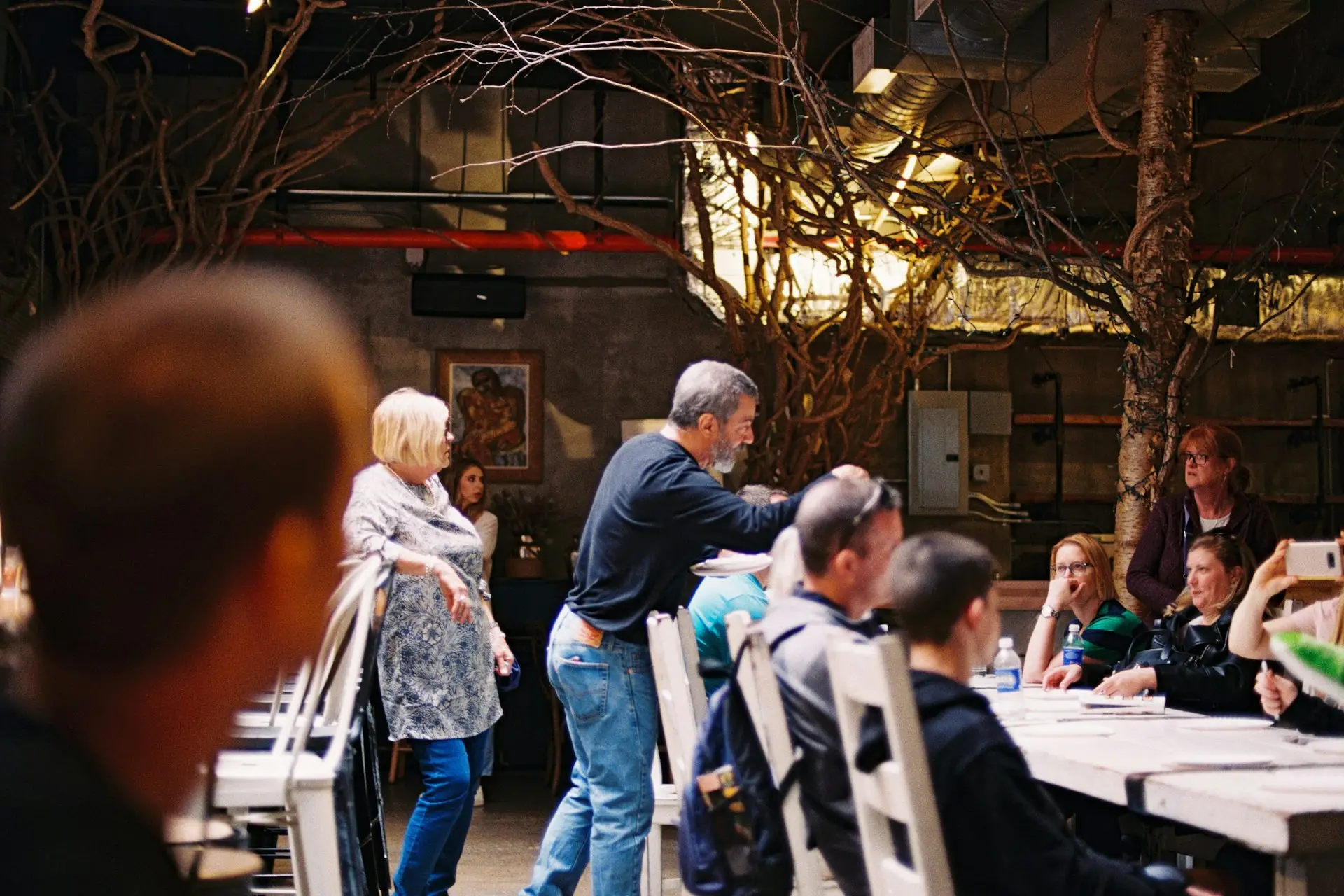
One hundred forty people came to your spring summit. They filled the sessions, traded business cards at lunch and told the volunteers it was the best year yet. Three weeks later, the only follow-up has been a generic thank-you email. The 38 nonmembers who attended have heard nothing about membership, and the next event announcement is still a month away. The energy in the room has already faded.
Post-event engagement is a planned sequence of contacts in the weeks after an event that turns a good day into an ongoing relationship. It starts with a thank-you within 24 hours, continues with useful content and a feedback request, adds personal follow-up for first-timers and nonmembers, and ends with a clear next step: the next event, a community group, a volunteer role or membership.
This guide gives you a 30-day follow-up plan, templates you can adapt, ways to keep the conversation going in your community, and a path for turning nonmember attendees into members. Choosing the survey questions themselves is covered in post-event survey questions.
Why the Weeks After an Event Matter
An event creates three things that fade quickly if you do nothing with them.
Goodwill. Attendees just spent time and often money with you. A prompt, specific thank-you confirms that it was worth it.
Fresh contacts. Nonmembers, first-time attendees and guests are now in your records with an interest you know about. A month later, many of them will no longer remember why they registered.
Information. You know who attended, which sessions filled and who asked questions or volunteered. Used within days, that data tells you whom to call and what to offer. Used months later, it is a spreadsheet nobody opens.
Planning the follow-up before the event is what makes it happen. Write the messages, assign owners and set the dates alongside the run-of-show, not after the venue has been cleared.
Segment Attendees Before You Send Anything
One thank-you email to everyone is a start, not a plan. Different groups need different next steps. Record attendance (not just registrations) and sort people into segments within a day or two of the event.
| Segment | What they need | Next step to offer | Owner |
|---|---|---|---|
| Member attendees | Recognition and something useful from the event | Recordings, next event, volunteer roles | Events chair |
| First-time attendees | A welcome and a reason to return | Personal note, a small-group invitation | Membership committee |
| Nonmember attendees | Proof of value and an easy path to join | Membership offer with a deadline | Membership coordinator |
| Registered but did not attend | A low-pressure way to catch up | Recordings or summary, next event date | Events coordinator |
| Highly engaged attendees | Acknowledgment and a bigger role | Committee seat, speaker slot, host role | Board member |
| Speakers and moderators | Thanks and feedback | Session ratings, invitation to contribute content | Program chair |
| Volunteers | Thanks and recognition | Debrief, next volunteer opportunity | Volunteer coordinator |
| Sponsors and exhibitors | Proof of value | Results summary, renewal conversation | Sponsorship lead |
"Highly engaged" means people you noticed: they asked strong questions, stayed to help clean up, brought colleagues or offered to help. Ask staff and volunteers to write down names on event day, because nobody will remember them a week later.
Store attendance and these notes on each person's record rather than in a separate file. That way, the membership team can see who attended when a renewal or application comes in.
The 30-Day Follow-Up Sequence
Here is a sequence for a one-day conference or annual meeting. Shorten it for smaller events, but keep the order: thank, deliver value, listen, invite.
| Timing | Message or action | Audience |
|---|---|---|
| Day 1 | Thank-you email with highlights and the survey link | All attendees |
| Day 1 | "Sorry we missed you" email with a summary and recordings date | No-shows |
| Days 2–3 | Personal thank-yous | Speakers, volunteers, sponsors |
| Day 4 | Survey reminder | Attendees who have not responded |
| Days 5–7 | Recordings, slides, photo album and a short takeaways summary | All attendees and no-shows |
| Days 7–10 | Personal email or call | First-time attendees and nonmembers |
| Days 10–14 | "You told us" update with survey results and changes | All attendees |
| Days 14–21 | Next event announcement with early access for attendees | All attendees |
| Day 30 | Membership offer deadline reminder; volunteer and committee invitations | Nonmembers; engaged attendees |
| Days 60–90 | Check conversions, renewals and repeat registrations | Internal review |
Day 1: the thank-you
Send it within 24 hours, from a person, with specifics. Mention one or two concrete moments from the event and include the survey link. Keep it short.
Template: Thank-you email to attendees
Subject: Thank you for joining us at [event name]
Hi [First name],
Thank you for spending [the day / the evening] with us at [event name]. [One specific highlight, such as: More than 140 of you filled the room for the panel on volunteer recruitment, and the questions kept going well past the break.]
We'd like your honest view of the day. Our short survey takes about two minutes: [survey link]
Recordings and slides will be available by [date]. We'll send you the link.
See you soon, [Name], [Role]
The no-show email
People who registered but did not attend are not lost. Often they simply had a conflict. Treat them as interested, not as a problem.
Template: Email to registrants who missed the event
Subject: We missed you at [event name]
Hi [First name],
We're sorry you couldn't make it to [event name]. Here are three takeaways from the day: [one line each].
Recordings of the main sessions will be available on [date], and we'll send you the link. Our next event is [name] on [date]: [registration link].
[Name], [Role]
Days 5–7: deliver the content
Recordings, slides and photos give attendees a reason to come back to you and give no-shows something of value. Decide in advance who gets what: some organizations give recordings to attendees and members only, which strengthens the case for membership.
Recording laws and expectations vary by state, so tell attendees in advance when sessions will be recorded and get speakers' written permission to record and share their sessions. Ask people to tell you if they do not want photos of them shared.
Days 7–10: personal outreach
This is the step most organizations skip, and the one that matters most for first-timers and nonmembers. A short personal email or a five-minute call from a member of the membership committee, not a mass email, asks two questions: what did you get out of the event, and what would make it worth coming back or joining?
Split the list among committee members, ten names each, with a deadline and a place to record the result.
Days 10–14: close the loop
Share what you learned from the survey: the number of responses, two or three findings and what you will change. Showing that answers led to real changes gives people a reason to answer the next survey, and a reason to come back.

Keep the Conversation Going in Your Community
The event brought people together around a topic. Give them a place to continue.
- Open a group for the topic or cohort. A group in your Community App for "Spring summit attendees" or for a topic from the program lets people share follow-up resources, ask the speakers questions and stay in touch. Seed it with a discussion question and a resource on day one.
- Run a small follow-up session. A 45-minute online Q&A with a popular speaker a month later, or a local coffee meetup for attendees from the same region.
- Start a peer group. Attendees who said they would join a small group on a topic are ready-made members for a peer circle or committee.
- Create a challenge. For clubs, a shared goal such as total miles, practice hours or volunteer shifts keeps the momentum from a kickoff event.
- Spotlight people. Feature a speaker, volunteer or attendee in the newsletter or on social media, with their permission.
Online communities work when someone tends them. Assign a host for the first 30 days who posts, answers and welcomes newcomers. Building a durable online community is covered in online communities for members, and more ideas for keeping people involved are in member engagement ideas.
Share the event publicly
Photos, short highlight clips and quotes from attendees promote the next event and show prospective members what they missed. Tag speakers and partners so they can share your posts. Use photos only in line with what you told attendees, and avoid identifiable images of children unless you have their parents' permission.
Turn Attendees Into Members
Nonmember attendees are among your warmest prospects. They chose to spend time with you and paid for it. Give them a concrete, time-limited reason to join.
Credit the price difference toward membership
A common approach is to credit the difference between the nonmember and member registration rate toward first-year dues.
Example: A nonmember paid $325 for the summit; members paid $225. Annual dues are $180. The offer: join within 30 days and the $100 difference counts toward dues, so the first year costs $80. For the organization, a new member who renews in year two is worth far more than the $100.
In campai, dues and sales supports fixed-amount or percentage vouchers on a contact or an individual dues contract, so the credit can be applied to the right person without a manual adjustment.
Template: Membership offer to nonmember attendees
Subject: Your [event name] registration can count toward membership
Hi [First name],
Thanks again for joining us at [event name]. As a nonmember, you paid $[difference] more than members did. If you join [organization] by [date], we'll apply that $[difference] to your first year of membership.
Members get [two or three concrete benefits, such as: member pricing at all events, the recordings library and access to the regional peer groups].
Join here: [application link]. If you have questions, reply to this email and I'll get back to you personally.
[Name], Membership Coordinator
Make joining easy
The offer only works if the application is short and works on a phone. See our membership application form template for the fields that matter. Once someone joins, move them into a proper welcome sequence instead of letting the event follow-up end abruptly; our member onboarding process covers the first 90 days.
Re-engage members who attended
Members who attended are also an opportunity. If their renewal date falls in the next 90 days, the event is a natural reason to mention renewal: "Glad you joined us at the summit. Your membership renews on [date]." Tie this to your wider membership renewal strategy. Members who showed up for the first time in years deserve a personal note; they may be deciding whether to stay.
Follow Up With Speakers, Volunteers and Sponsors
Attendees are not the only people who decide whether your next event succeeds.
- Speakers: send a personal thank-you and their session ratings and comments within a week. Ask whether they would write a short article or host a follow-up session.
- Volunteers: thank them by name, run a short debrief and invite them to the next opportunity while the experience is still fresh.
- Sponsors and exhibitors: send a results summary within two weeks: attendance by segment, booth traffic if you counted it, mentions and photos. Start the renewal conversation while the results are fresh.
Measure Post-Event Engagement
Track a few numbers for every event so you can see whether the follow-up is working.
| Measure | How to calculate | What it tells you |
|---|---|---|
| Thank-you email clicks | Clicks on survey, recordings or photo links ÷ recipients | Whether attendees still care a day later |
| Survey response rate | Responses ÷ attendees | Whether people feel heard |
| Recording views | Unique viewers among attendees and no-shows | Whether the content is worth producing |
| Community group joins | Attendees who joined the group ÷ attendees | Whether the conversation continues |
| Next-event registrations from attendees | Attendees who registered for the next event ÷ attendees | Whether the event created a habit |
| Nonmember conversion | Nonmember attendees who joined within 60 days ÷ nonmember attendees | Whether the event grows membership |
| Renewal rate among attending members | Attending members who renewed ÷ attending members due | Whether the event supports retention |
Report these alongside revenue and costs in your event ROI review. If nonmember conversion stays low, test a stronger offer or more personal outreach next time.
A note on promotional follow-ups: emails whose main purpose is promoting paid membership or products can count as commercial messages under the FTC's CAN-SPAM guidance, which requires a valid physical postal address and honoring opt-out requests within 10 business days. If you are unsure how the rules apply to your organization, ask counsel. More on email practice is in nonprofit email marketing.
Frequently Asked Questions
How soon after an event should you follow up?
Send the thank-you within 24 hours, ideally the day after the event. Recordings and resources can follow within a week, and personal outreach to first-timers and nonmembers within 10 days.
What should a post-event email include?
A specific thank-you, one or two highlights, the survey link, when recordings or slides will be available and, in a later message, the date of your next event. Keep the first email short and send it from a person.
How do you engage people who registered but did not attend?
Send a friendly note with a short summary, the recordings when they are ready and the next event date. Many no-shows had a conflict and are still interested; avoid making them feel guilty.
How do you keep attendees engaged until the next event?
Give them a place to continue the conversation, such as a community group, a follow-up Q&A or a local meetup. Share content from the event over several weeks and announce the next event to attendees first.
How do you turn event attendees into members?
Make a concrete, time-limited offer, such as crediting the nonmember price difference toward first-year dues. Add personal outreach from the membership committee, a short application and a proper onboarding sequence after they join.
How long should post-event engagement last?
Plan the active sequence for about 30 days, then review conversions and renewals at 60 to 90 days. After that, attendees move into your regular member communication or prospect follow-up.
Putting It Into Practice
- Write the follow-up messages before the event, including the thank-you, no-show and membership offer emails.
- Assign owners for each segment and each date in the 30-day sequence.
- Record attendance and engagement notes on event day, then segment within 48 hours.
- Book personal outreach: ten names per committee member, with a deadline.
- Open a community group for attendees and assign a host for the first month.
- Set the membership offer and deadline, and make sure finance can apply the credit.
- Review the numbers at 60 to 90 days and adjust the sequence for the next event.