
Fundraising Ideas for Nonprofits: 117 Ideas by Budget and Effort
117 fundraising ideas for nonprofits, clubs and associations, sorted by budget, effort and channel, from bake sales to online campaigns and corporate matches.
Your booster club needs $8,000 for new uniforms by March. You have three reliable volunteers, a $200 budget and a parent group chat full of suggestions, from a car wash to a casino night. The problem isn't a shortage of fundraising ideas. It's picking the two or three that will actually net $8,000 with the people and time you have.
The best fundraising ideas for nonprofits fit four things: how much you need and by when, how many volunteer hours you can count on, who your supporters are, and how much cash you can spend before any money comes in. This guide gives you 117 ideas grouped by channel: in-person community fundraisers, events, online campaigns, business partnerships, product sales, seasonal ideas and ideas built for member groups. Each idea is tagged with its upfront cost and effort, and a selection table helps you narrow the list in a few minutes.
The ideas work for 501(c)(3) charities as well as clubs, PTAs, booster clubs, associations, chambers and faith communities. Where an idea has its own detailed guide, you'll find a link.
How to Choose the Right Fundraising Idea
Answer Four Questions First
- Goal and deadline. A $1,500 shortfall due next month calls for a different idea than a $40,000 annual goal.
- Volunteer hours. Count the people and the hours each can realistically give. Events eat hours; personal asks don't.
- Your supporters. Members, parents, alumni, local businesses, a congregation or online followers? An idea works when it reaches people who already care.
- Upfront cash. Some ideas need deposits for a venue, food, permits or merchandise before a dollar comes in.
How to Read the Tags
Every idea below carries a cost tag and an effort tag:
| Tag | Meaning |
|---|---|
| $ | Under $100 upfront |
| $$ | $100 to $1,000 upfront |
| $$$ | More than $1,000 upfront, often including deposits |
| Low | One or two people, a few hours to a couple of days |
| Medium | A small team over two to six weeks |
| High | A committee over two months or more |
Compare Net Revenue per Volunteer Hour
Gross revenue flatters events. Before you commit, estimate what each idea nets per volunteer hour. Here's a hypothetical comparison for a club with 150 members:
| Idea | Gross | Costs | Net | Volunteer hours | Net per hour |
|---|---|---|---|---|---|
| Car wash (90 cars at about $10) | $900 | $80 | $820 | 40 | About $20 |
| Trivia night (20 teams of six at $25 a person, plus a $500 sponsor) | $3,500 | $1,100 | $2,400 | 140 | About $17 |
| Letter and email appeal to all members (35 gifts averaging $85) | $2,975 | $180 | $2,795 | 30 | About $93 |
In this example, the personal appeal nets far more per hour. Events still earn their place: they bring in new people, give members something to do together and create stories for your next ask. A healthy mix usually pairs one or two direct asks with one event. To map that mix across a full year, build a nonprofit fundraising plan.
Quick Picks by Situation
Use this table to shortlist three ideas, then check the details in the sections below.
| Your situation | Start with | Upfront cost | Effort |
|---|---|---|---|
| You need money within two weeks | Personal calls and emails to past donors, a matching gift challenge, a restaurant give-back night | $ | Low |
| Tiny budget, few volunteers | Bake sale, coin jars at local counters, birthday fundraisers, an online appeal | $ | Low |
| You want new supporters | A fun run or walk, a peer-to-peer campaign, a booth at a community festival | $$ | Medium to high |
| Strong ties to local businesses | Sponsorships, percentage-of-sales days, a business challenge grant, in-kind gifts | $ | Low to medium |
| Members spread across several states | A giving day, an expert webinar, a miles or reading challenge, an online auction | $ | Medium |
| A big goal ($25,000 or more) and an engaged board | Major gift conversations, a gala or golf outing, a sponsored signature event | $$$ | High |
| Members who love being together | Trivia night, a cook-off, a tournament, a progressive dinner | $ to $$ | Medium |
In-Person Community Fundraisers
These need little money and no venue contract. Most work best for local organizations with a few dependable volunteers.
- Bake sale ($, low): Ask 15 bakers for two dozen items each, use round prices and put a donation jar beside the table.
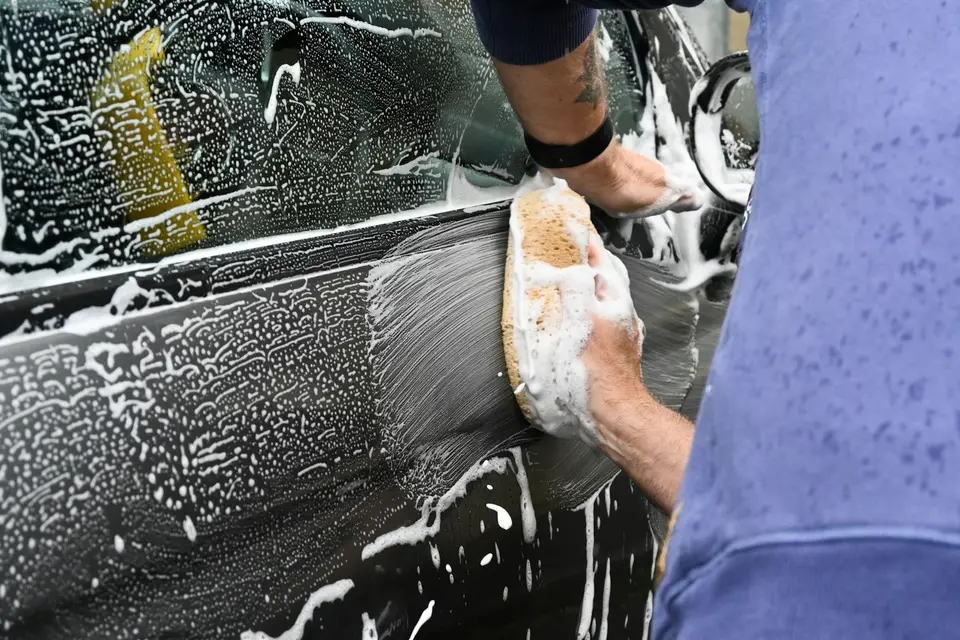
- Car wash ($, medium): Borrow space and water from a gas station or auto shop and put your loudest sign-holders on the corner.
- Community yard sale ($, medium): Collect donated items for a month, price everything the night before and give leftovers to a thrift store.
- Bottle and can drive ($, low): In states with a container deposit, run one collection weekend at a single drop-off point.
- Coin jars at local counters ($, low): Place labeled jars at 10 friendly businesses and have one volunteer empty them every Friday.
- Pancake breakfast ($$, medium): Borrow a fire hall, church or school kitchen and presell tickets so you know how much to buy.
- Spaghetti or chili dinner ($$, medium): Keep the menu simple, offer family pricing and have takeout containers ready.
- Dog wash ($, medium): Tubs, towels, a park pavilion and a flat price by dog size.
- Rent-a-volunteer day ($, medium): Members rake leaves, shovel snow or help neighbors move in exchange for a donation.
- Sports equipment swap ($, low): Families bring outgrown cleats, bats and helmets; buyers pay posted prices that go to the club.
- Used book sale ($, medium): Collect for six weeks, sort by genre and run a fill-a-bag hour at the end.
- Plant and seedling sale ($, low): Gardeners divide perennials and start seedlings in late winter for a May sale.
- Penny wars ($, low): Teams, classes or committees compete with coin jars; pennies add points and silver coins in a rival's jar subtract them.
- Skills workshop ($, low): A member teaches bread baking, bike repair or knife sharpening for a suggested donation.
- Special collection ($, low): Faith communities and membership meetings hold one collection for a clearly described need.
- Parents' night out ($, medium): Background-checked volunteers supervise kids while parents pay per child; confirm your insurance first.
- Neighborhood canvass ($, medium): Volunteers deliver a flyer and a short ask door to door; some cities require a permit for this.
- Potluck with an ask ($, low): Everyone brings a dish, someone your work has helped speaks for three minutes, and you pass donation envelopes.
Fundraising Event Ideas
Events cost more and take longer, but they build community and bring in people who have never given before. Sell tickets and sponsorships online in advance so you know your numbers before you commit to food and a venue.
Social and Food Events
- Trivia night ($$, medium): Teams of six, a per-person ticket, a local host and a business sponsor for each round.
- Chili, barbecue or salsa cook-off ($$, medium): Cooks pay an entry fee; guests buy tasting tickets and vote with dollars.
- Wine, cider or craft beer tasting ($$$, high): Local producers donate pours; you'll usually need a special event alcohol permit.
- Murder mystery dinner ($$, medium): A boxed script, members in costume and a ticket that includes dinner.
- Casino night ($$, high): Play-money tables and donated prizes, but check your state's gaming rules first (see the legal section below).
- Karaoke competition ($, low): Singers recruit friends to vote at $1 per vote.
- Comedy night ($$, medium): Local comedians and a venue that shares bar receipts.
- Gala dinner ($$$, high): A formal evening with a program and a paddle raise; see our guide to planning a fundraising gala.
- Silent or live auction ($$, high): Works on its own or alongside a dinner; our silent auction guide covers bid sheets and checkout.
- Ice cream social ($, low): Donated ice cream, a park pavilion and a pay-what-you-want sundae bar.
- Food truck rally ($$, medium): Trucks pay a booth fee or share a percentage of sales; you provide space, music and promotion.
- Progressive dinner ($, medium): Members host appetizers, mains and dessert in three homes; guests buy one ticket for the evening.
Sports and Activity Events
- 5K run or walk ($$$, high): Plan for road permits, timing, insurance and water stations, and sign sponsors early.
- Golf outing ($$$, high): Foursomes, hole sponsors and an insured hole-in-one contest.
- Bowling night ($$, low): Book lanes as a block and sell them to teams at a markup.
- Cornhole tournament ($, medium): Brackets, team entry fees and a sponsor for the trophy.
- Pickleball or tennis round robin ($, medium): Borrow courts from a club or park district and charge per player.
- Stair climb ($, low): Participants collect pledges per floor in a tall building whose owner lends it for a morning.
- Polar plunge ($$, medium): Plungers raise pledges; arrange EMS coverage and warming tents.
- Charity bike ride ($$$, high): Several route lengths, rest stops and a support vehicle.
- Rivalry game ($, low): Coaches versus parents or alumni versus seniors, with admission at the gate.
- Dog walk and pet parade ($, medium): Registration fees, a costume contest and vendor booths.
- Swim-a-thon, skate-a-thon or dance marathon ($, medium): Participants collect pledges for laps, miles or hours; this is classic peer-to-peer fundraising.
Arts and Entertainment
- Benefit concert ($$, high): Local bands donate a set; sell tickets with an optional donation upgrade.
- Talent show ($, medium): Members, students or staff perform and the audience votes with donations.
- Art show and sale ($$, medium): Artists split proceeds with you, for example 50/50.
- Movie night ($$, medium): An outdoor screen and concessions; get a public performance license for the film.
- Craft fair ($$, medium): Vendors pay booth fees and you sell refreshments.
- Theater benefit night ($$, medium): A community theater dedicates one performance and shares ticket revenue.
Online Fundraising Ideas
Online fundraising means raising money through your website, email, social media, text and virtual events. It costs little to start, reaches supporters wherever they live and shows you exactly who responded. Every idea here needs three things: a mobile-friendly donation page, a list of people who have agreed to hear from you, and a follow-up plan for everyone who gives.
Appeals and Campaigns
- Personal email appeal ($, low): A short, plain email from your president or someone you've helped, sent to everyone who gave in the last three years. Use our fundraising email templates as a starting point.
- Matching gift challenge ($, low): A board member or local business matches gifts up to a set amount, such as $5,000, for 72 hours.
- Project crowdfunding ($, medium): One concrete project, one deadline and one goal, such as a $6,500 accessible ramp.
- Peer-to-peer campaign ($, medium): Supporters create personal pages and ask their own networks.
- GivingTuesday campaign ($, medium): Join the global giving day on the Tuesday after Thanksgiving; see our GivingTuesday ideas.
- Your own giving day ($, medium): A 24-hour campaign on your founding anniversary with hourly updates and a match.
- Monthly giving launch ($, medium): Invite loyal donors to give monthly; see how to build a monthly giving program.
- Year-end appeal ($, medium): A coordinated letter and email push in November and December; plan it with our year-end giving guide.
- Birthday fundraisers ($, low): Supporters ask friends for gifts instead of presents; you give them a ready-made message.
- Tribute and memorial gifts ($, low): A page for gifts in honor or memory of someone, with a card to the honoree or family.
- Wish list ($, low): Post specific items you need, from printer paper to a replacement tire for the team van.
- Optional gift at renewal and registration ($, low): Add a suggested donation to dues renewals and event registration forms.
- Text-a-link ($, low): Text your donation link to supporters who have agreed to receive texts from you.
- Google Ad Grants ($, medium): Eligible charities can get free search ads that send people to your donation page; see our Google Ad Grants guide.
Social Media and Video
- Social media challenge ($, low): A safe, simple, filmable action that people do, tag friends in and pair with a donation link.
- Livestream marathon ($, medium): Twelve or 24 hours of music, gaming or interviews with a live running total.
- "Why I give" videos ($, low): Thirty-second phone videos from donors, volunteers and members.
- Countdown campaign ($, low): Ten days, ten short stories, one goal.
- Thank-you video with a soft ask ($, low): Thank last year's donors on camera, then invite them to give again.
- Photo contest ($, low): A $10 entry fee, public voting and a prize donated by a local business.
Virtual Events and Challenges
- Virtual run, walk or ride ($, medium): Participants log miles anywhere during one week and receive a medal or shirt.
- Online trivia night ($, medium): Teams join a video call, with one breakout room per team.
- Virtual cooking class ($, medium): A local chef teaches; participants receive the shopping list in advance.
- Expert webinar ($, low): A member or partner teaches a skill people will pay to learn.
- Gaming stream ($, medium): Gamers in your community play for pledges while streaming.
- Virtual concert or open mic ($, medium): Performers stream from home and viewers donate through a link.
- Virtual tour ($, low): Walk viewers through your shelter, garden, workshop or practice field and end with one specific ask.
- Reading, steps or miles challenge ($, low): Participants collect pledges per book, step goal or mile over a month.
- Online auction ($$, medium): Bidding over several days, with shipping or a pickup day.
Online Sales
- Online merchandise store ($, low): Print-on-demand shirts, mugs and hats with no inventory risk.
- Digital products ($, low): A recipe collection, coaching playbook or local trail guide sold as a PDF.
- Holiday e-cards ($, low): Donors give in someone's honor and you email a designed card.
Corporate and Business Partnership Ideas
Businesses give money, goods, space and volunteers. Most partnerships start with someone in your network, so ask members where they work and which owners they know. For larger deals, learn how to find, pitch and keep event sponsorship partners.
- Restaurant give-back night ($, low): A restaurant donates a share of sales from guests who mention you.
- Round-up at checkout ($, low): A store invites customers to round up their purchase for your cause for one month.
- Percentage-of-sales day ($, low): A bookstore, bike shop or bakery gives a share of one day's sales.
- Employer matching gifts ($, low): Remind donors to check whether their employer matches gifts, and make the paperwork easy.
- Volunteer grants ($, low): Some employers donate when employees volunteer a set number of hours; ask your volunteers to apply.
- Event or program sponsorship ($, medium): A business funds an event or program in return for public acknowledgment.
- Business challenge grant ($, low): A company commits a lump sum if you raise the same amount from the community.
- Workplace giving ($, medium): Ask an employer to feature you in its annual employee giving campaign.
- In-kind gifts ($, low): Food, printing, venue space or prizes that lower your event costs.
- Corporate volunteer day ($, medium): A team volunteers with you and the company adds a donation.
- Cause product ($, low): A bakery sells a "cookie of the month" and gives part of every sale.
- Program book ads ($, medium): Businesses buy ads in your event program; note that advertising income can be taxable.
- Corporate team challenge ($, medium): Companies field teams for your walk or swim-a-thon and compete for a trophy.
Product Sales and Merchandise
Sales fundraisers need upfront cash or a vendor that ships on demand. Calculate your margin before you commit.
- Spirit wear ($$, medium): Take preorders only, so you never sit on unsold sizes.
- Catalog sale ($$, medium): Cookie dough, popcorn, candles or coffee through a fundraising vendor; compare how much you keep per sale.
- Flower bulb or poinsettia presale ($$, low): Take orders in advance and deliver on one pickup day.
- Community cookbook ($$, medium): Members submit recipes; print a small run and sell the rest as a PDF.
- Photo calendar ($$, medium): Pets, landscapes or members in action, on sale from September.
- Discount card ($$, medium): Local merchants offer deals and supporters buy the card for $20.
- Engraved bricks or pavers ($$$, high): Works best tied to a building or renovation project.
- Holiday tree and wreath lot ($$$, high): Strong revenue, but long hours, storage and a large upfront purchase.
Seasonal Fundraising Ideas
- January: A 31-day habit challenge with pledges per day completed.
- February: Valentine's flower or candy-grams delivered at school, work or a member meeting.
- March: A St. Patrick's Day fun run or paper shamrock sales at local checkouts.
- April: An Earth Day cleanup with pledges per bag collected.
- May: A Mother's Day brunch or flower sale.
- June: A Father's Day pancake breakfast or a summer kickoff cookout.
- July: A Fourth of July booth or parade-float sponsorships.
- August and September: A back-to-school supply drive with a cash option, or a Labor Day car show.
- October: A fall festival, pumpkin sale or trunk-or-treat with an entry donation.
- November and December: A Thanksgiving turkey trot, a gift-wrapping station at a local store and your year-end appeal.
Ideas for Clubs, Associations and Member Groups
Member-based organizations have a built-in community. These ideas put it to work.
- Member scholarship fund ($, low): Members give so that people who can't afford dues or fees can still join.
- Chapter challenge ($, medium): Chapters compete on participation rate rather than total dollars, so small chapters can win.
- Board giving kickoff ($, low): Announce that every board member has given before you ask anyone else.
- Anniversary appeal ($, low): For a 40th anniversary, ask for $40 or $400.
- Adopt-a-need list ($, low): Members sponsor a uniform, a boat seat, a bench or a youth registration fee.
- Reunion class challenge ($, medium): Alumni classes compete in the months before homecoming.
- Program shout-outs ($, low): Families buy short messages for players or performers in the season program.
Raffles, Games of Chance and Other Rules to Check
Most fundraisers need nothing more than a plan and volunteers. A few need permission or paperwork first. This is general information, not legal or tax advice, and rules vary by state and city.
- Raffles, 50/50 drawings, bingo and casino nights are games of chance, which states and sometimes cities regulate. Depending on where you are, you may need a license or registration, only certain organizations may hold them, and online sales may be restricted. In California, for example, eligible organizations must register with the attorney general before a raffle, at least 90% of gross ticket receipts must go to charitable purposes, and running a raffle over the internet is prohibited (California Attorney General). Check with your state's gaming regulator, attorney general or secretary of state before you sell a ticket. Federally, the price of a raffle ticket isn't deductible as a charitable contribution (IRS Publication 526), and larger prizes can trigger IRS reporting and withholding; gaming income can also be taxable unless, for example, the games are run substantially by volunteers (IRS Publication 3079).
- State registration. Many states require organizations to register before soliciting donations from their residents, and some cities do too, as the IRS overview of state requirements explains.
- Tickets and benefits. When a donor pays more than $75 and receives a meal, ticket or item in return, a charity must give a written disclosure with a good-faith estimate of its value. Our donation receipt guide covers this and the $250 acknowledgment rule.
- Not a 501(c)(3)? Payments to social clubs, chambers of commerce and trade associations generally aren't deductible as charitable contributions. If such an organization normally has gross receipts over $100,000, its fundraising solicitations generally must say so in a conspicuous statement (IRS Publication 557).
- Food, alcohol and sales. Bake sales and dinners may need a temporary food permit from your county health department, alcohol usually needs a special event permit, and merchandise sales may be subject to state sales tax. Ask before the event, not after.
From Idea to Fundraiser in One Page
Before you announce anything, put the essentials on one page and get your board or committee to agree:
FUNDRAISER ONE-PAGER

Idea and date:
Net goal: $______  (gross $______ minus costs $______)
Owner: one name, plus helpers
Budget: upfront costs and who approves them
Audience: which groups you'll invite, and how
The ask: one sentence on what you're asking for and what it pays for
Timeline: key dates, working back from the deadline
Legal checks: permits, raffle rules, ticket disclosures
Thank-you plan: who thanks whom, within how many days
Results to record: gross, costs, net, volunteer hours, new donors
Afterward, record the results the same way for every fundraiser, so next year's choices rest on your own numbers instead of guesses. In campai, you can link incoming payments to donation records, see new and returning donors for a period, and create acknowledgments in batches from your own template.
Frequently Asked Questions
What is the easiest fundraiser for a small nonprofit?
A personal appeal to people who already know you: a short letter or email from your president, followed by phone calls to past donors. It costs almost nothing, needs no venue and often nets more per hour than an event. If you want an in-person option, a bake sale or a restaurant give-back night takes a few volunteers and very little money.
What are good online fundraising ideas?
Start with ideas that use relationships you already have: an email appeal with a matching gift, a peer-to-peer campaign, your own giving day or a monthly giving invitation. Virtual events, challenges and video can reach new people, but they work best as part of a campaign with one goal and a deadline.
How can we raise money quickly?
Call and email your most loyal donors about a specific, honest need with a deadline, and ask a board member or business to match their gifts. A restaurant give-back night or a percentage-of-sales day can be set up within a week or two if you already know the owner.
Do we need a permit for a raffle?
Often, yes. Raffles are regulated by state law, and many states require a license, limit who can hold them or restrict online sales. Check with your state's gaming regulator or attorney general before selling tickets, and remember that raffle tickets aren't tax-deductible.
Which fundraisers raise the most money?
Gross numbers favor big events such as galas and golf outings, but they also cost the most. Personal asks to people who already support you tend to net more per hour of work. Compare net revenue per volunteer hour using your own results before you decide.
Are purchases at a fundraiser tax-deductible?
Only the part of a payment that exceeds the value of what the buyer receives, and only for gifts to qualified organizations such as 501(c)(3) charities. Buying a $5 cake for $5 isn't a donation. Raffle tickets aren't deductible at all.
Next Steps
- Write down your net goal, deadline and the volunteer hours you can count on.
- Use the quick-picks table to shortlist three ideas, ideally at least one direct ask and at most one event.
- Estimate gross, costs and net per volunteer hour for each, and drop the weakest.
- Check permits, raffle rules, state registration and ticket disclosures for the ideas you keep.
- Fill in the one-page plan, name one owner and set the thank-you plan before launch.
- Record the results, then fold your best performers into next year's calendar.