
Nonprofit Branding: Identity, Voice and a Brand Guide That Works
Nonprofit branding for member organizations: brand foundations, name and visual identity, voice, a brand guide outline, chapter consistency and rebrands.
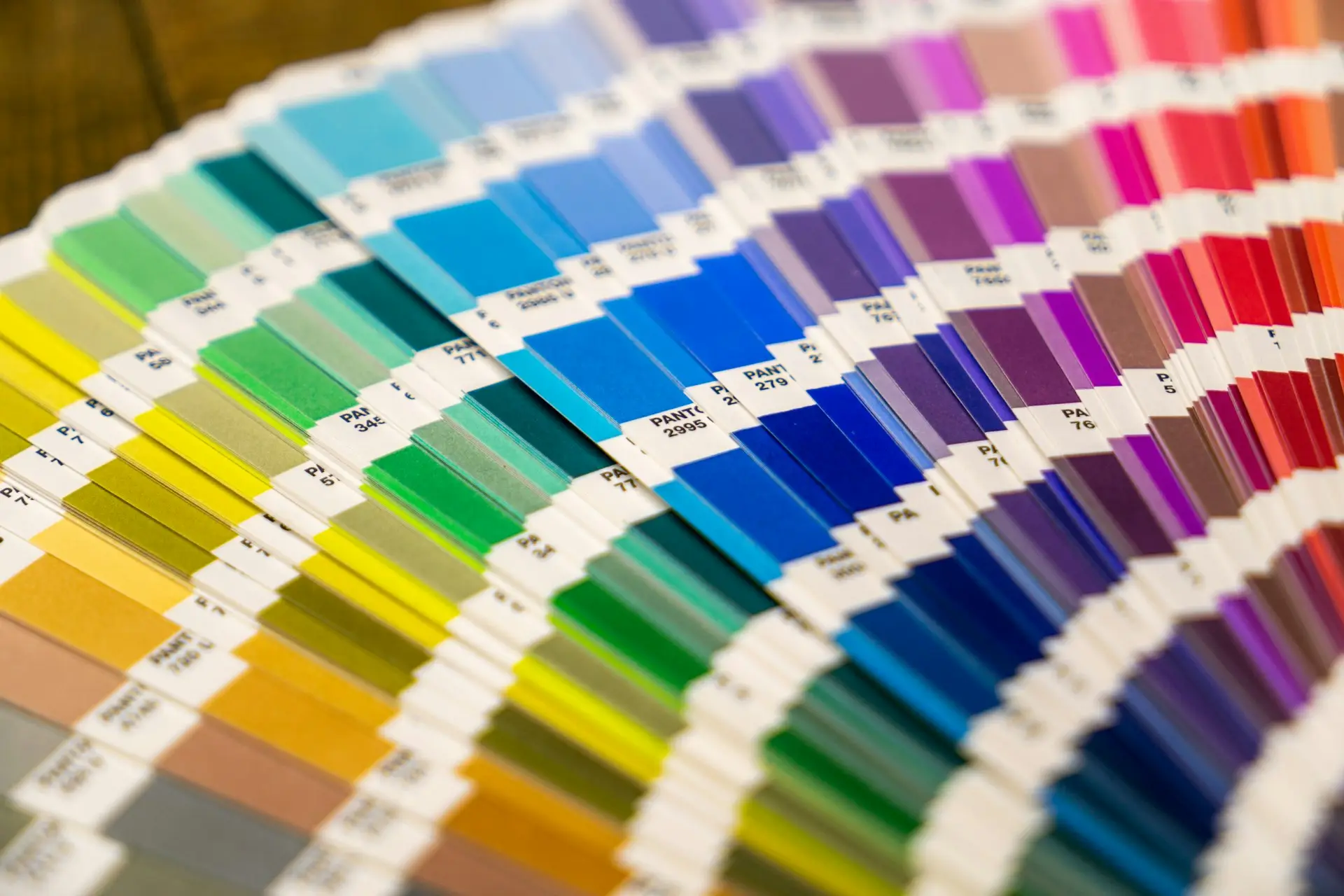
Lay out everything a 30-year-old historical society has printed in the past two years: the membership brochure, three event flyers, the annual report, the website, a sponsor deck, a tote bag. You will likely find three versions of the logo, five typefaces, two different taglines and a chapter newsletter with a logo someone redrew in a word processor. Each piece was made in good faith by a busy volunteer. Together they tell members, donors and sponsors that nobody is quite in charge.
Nonprofit branding is the work of deciding what your organization should be known for and then expressing it the same way everywhere: in your name, logo, colors, words, photos and behavior. For member-based organizations, it also means giving chapters, committees and volunteers tools that make the consistent choice the easy one.
This guide covers brand foundations, visual identity, voice, a brand guide outline, consistency across chapters and volunteers, and how to run a rebrand. Writing the mission statement itself is covered in our guide to association mission statements.
What a Nonprofit Brand Is (and Isn't)
People use "brand" to mean several different things. Separating them helps you decide what actually needs work.
| Term | What it means | Who controls it |
|---|---|---|
| Brand | What people think, feel and expect when they hear your name | Shaped by you, decided by your audiences |
| Brand strategy | The decisions about who you serve, what you stand for and how you're different | Board and leadership |
| Identity | The visible and verbal system: name, logo, colors, type, photography, voice | Communications lead, guided by the brand guide |
| Logo | One element of the identity | Designer, approved by leadership |
| Reputation | What people say about you based on experience | Earned through programs, service and conduct |
A new logo cannot fix a reputation problem, such as unanswered emails or a poorly run event. It can make a strong organization look as credible as it actually is.
For membership organizations, a clear brand pays off in practical ways. Prospective members recognize you across your website, events and social media. Donors and sponsors see a professional organization worth backing. Chapters feel part of something larger. And volunteers spend less time reinventing flyers.
Lay the Foundations Before Any Design
Most rebrands that disappoint skipped this step. Design choices only make sense once you know what they need to express.
Run a short discovery
Give discovery four to six weeks:
- Audit your materials. Collect 20 to 40 recent items: print, digital, signage, merchandise. Lay them out together and note inconsistencies.
- Interview 8 to 12 people: long-time members, new members, a lapsed member, two donors or sponsors, a volunteer, a staff member and someone who knows you only from the outside. Ask how they would describe you to a friend, what they value and what confuses them.
- Survey members with a few brand questions. Our membership survey questions include examples you can adapt; add "Which three words describe us best?" and "How would you explain what we do in one sentence?"
- Look at peer organizations in your field and region. Note what looks generic and where you could stand out.
Write the brand platform
The brand platform is a one- or two-page document that every later choice refers back to.
| Element | Question it answers | Example for a fictional community music school |
|---|---|---|
| Mission | Why do we exist? | Making music lessons possible for every child in the county |
| Vision | What future are we working toward? | A county where every child can play in a band, choir or orchestra |
| Values | How do we behave? | Welcoming, practice-minded, joyful |
| Audiences | Who must understand us? | Families, teachers, donors, local businesses |
| Positioning | What makes us different? | The only program offering free instrument loans with weekly lessons |
| Personality | If we were a person, what would we be like? | An encouraging teacher: warm, patient, upbeat |
| Proof points | What evidence backs our claims? | 312 students last year, 140 instruments on loan, 18 partner schools |
Draft a positioning statement and boilerplates
A positioning statement is an internal sentence, not a slogan. Use this structure:
For [audience] who [need or situation], [organization name] is the [category] that [main benefit], because [proof].
For example: "For families in Linden County who want their children to learn music, Linden County Music Works is the community music school that removes cost as a barrier, because we loan instruments for free and price lessons by income."
From the platform, write a set of standard descriptions everyone can reuse:
- One-liner (10–15 words) for social bios and name badges
- Short boilerplate (about 50 words) for event programs, sponsor materials and email footers
- Long boilerplate (about 150 words) for press releases, grant applications and partner websites
When every volunteer uses the same descriptions, people hear the same story from every direction.
Name and Visual Identity
Check your name
If you are naming a new organization or considering a new name, test candidates against these questions: Is it easy to say and spell? Does it describe something lasting rather than a program you might outgrow? Does it work as an acronym, or would the acronym be awkward? Is it available?
Availability has several layers:
- Your state's business entity registry (usually the secretary of state) for corporate name availability
- Federal trademarks. The USPTO explains that you're not required to register a trademark and that rights begin with use, but unregistered rights only apply in the geographic area where you operate, while federal registration provides nationwide rights. Search existing registrations before you commit, and consult a trademark attorney if the name matters to your future.
- Domain names and social media handles, ideally the same across platforms
Build a logo system, not a single file
Volunteers break logos when they only have one file that doesn't fit the space. Give them a full set:
- Primary logo in full color
- Horizontal and stacked versions for wide banners and square spaces
- Icon or mark for social profile images and app icons
- One-color and reversed versions for dark backgrounds, embroidery and single-color printing
- File formats: vector files (SVG, EPS or PDF) for printers and sign makers, PNG for documents and the web
- Rules: minimum size, clear space around the logo, and examples of what not to do (stretching, recoloring, adding effects)
Choose colors and type with accessibility in mind
Pick one or two primary colors, two or three secondary colors and a set of neutrals. Record the values for screen and print use in your brand guide.
Check contrast before you finalize the palette. The W3C's Web Content Accessibility Guidelines call for a contrast ratio of at least 4.5:1 for normal text and 3:1 for large text (18 point, or 14 point bold). A beautiful light green that fails as a text color can still work as an accent.
Limit yourself to two typefaces: one for headings and one for body text. Choose fonts your volunteers can actually use. If your heading font requires a license most volunteers won't have, name a free or widely installed alternative for everyday documents.
Define photography and graphic style
Photos carry more of your brand than your logo does. Decide:
- Subjects: real members, volunteers and participants doing things, rather than generic stock images
- Mood: natural light, candid moments, genuine expressions
- Dignity and consent: no images that reduce people to their need; written consent for anyone featured, and stricter rules for minors
- Graphic elements: icon style, patterns or shapes, and how text sits on images
| Element | Decision to make | Common mistake |
|---|---|---|
| Logo | Full set of versions and file types | Sharing only one low-resolution JPG |
| Colors | Primary, secondary and neutrals, with values for screen and print | Choosing colors that fail contrast checks |
| Typography | Heading and body fonts, plus free fallbacks | Five fonts in one flyer |
| Photography | Subjects, mood, consent rules | Stock photos that look like every other nonprofit |
| Templates | Which ones volunteers need most | Building a guide but no templates |
Voice and Tone
Your voice is your organization's consistent personality in writing. Your tone adjusts to the situation. A youth sports club can sound energetic in a season kickoff post and calm and direct in a weather cancellation, and both still sound like the same club.
Define voice with three or four traits and what each one is not:
| We are | We are not | Sounds like |
|---|---|---|
| Warm | Sentimental | "We're glad you're here. Here's what happens next." |
| Confident | Boastful | "Our members passed the exam at higher rates than last year." |
| Plain-spoken | Jargon-heavy | "We help small businesses find workers," not "We facilitate workforce ecosystem solutions." |
| Practical | Preachy | "Three things you can do this week" |
Then show how tone shifts:
| Situation | Tone | Example opening |
|---|---|---|
| Membership renewal | Friendly, direct | "Your membership renews on March 31. Here's what you'll keep." |
| Fundraising appeal | Personal, specific | "Last spring, Marcus borrowed a trumpet from us." |
| Event invitation | Upbeat, clear | "You're invited to our fall open house on October 17." |
| Difficult news | Calm, honest, caring | "We have to share some difficult news about the summer camp." |
For difficult news, your crisis communication plan should define who speaks and how statements are approved.
Add a short word list: terms you prefer and terms you avoid. Decide what you call the people you serve (members, neighbors, participants, students), how to write your name and acronym, and basic style choices such as date formats and capitalization. These small decisions stop the endless back-and-forth on every draft.
Your Brand Guide: An Outline
A brand guide (or style guide) collects all of these decisions in one document. Keep it short enough that people will read it, usually 12 to 25 pages, plus a one-page quick-start for volunteers.
[Organization name] Brand Guide

1. Who we are
   Mission, vision, values, positioning statement
2. How we describe ourselves
   One-liner, 50-word and 150-word boilerplates, key messages by audience
3. Voice and tone
   Voice traits, tone by situation, word list, style choices
4. Logo
   Versions, file types, clear space, minimum size, do's and don'ts
5. Color
   Primary, secondary, neutral; values for screen and print; contrast pairs
6. Typography
   Heading and body fonts, fallbacks, sizes for print and screen
7. Photography and graphics
   Style, subjects, consent rules, icons, patterns
8. Chapters and programs
   Chapter logo lockups, program naming, what chapters may adapt
9. Templates
   Flyer, social graphics, slide deck, letterhead, email header,
   name badge, event signage, certificate
10. Accessibility
   Contrast, alt text, captions, readable fonts
11. Approvals and contacts
   Who to ask, what needs review, turnaround time
The guide matters less than the templates. Volunteers who have a ready-made flyer, slide deck and social graphic template will use them. Volunteers who have only a PDF of rules will improvise. Store templates and logo files in one shared folder with clear names, such as "logo-primary-color.png" and "flyer-event-letter-size."
Apply the same thinking to email. If you send newsletters from campai, you can create organization-wide email templates so recurring messages keep the same design no matter who writes them, with shared or separate templates when you manage several organizations.
Keep Chapters and Volunteers Consistent
Brand drift in member organizations is rarely rebellion. It happens because a chapter needs a flyer by Thursday and the national office takes two weeks to answer. The fix is a guardrail model: lock what must stay the same, free up what can vary, and provide tools for both.
| Item | National provides | Chapters may adapt | Needs approval |
|---|---|---|---|
| Organization name and logo | Master files and chapter lockups | Nothing | Any new logo or variation |
| Colors and fonts | Palette and font files | Choice among approved secondary colors | New colors |
| Templates | Flyers, slides, social graphics, email headers | Text, photos, event details | New template types |
| Photos | Shared library of approved images | Local photos that follow the photo rules | No |
| Event names | Naming rules for national programs | Names for local events | Use of national program names |
| Statements on public issues | Official positions | Nothing | Always |
A few practices make the model work:
- Create chapter logo lockups centrally. "Linden County Music Works, Eastside Chapter" should come from the national designer, not a chapter volunteer.
- Write brand use into chapter agreements. If you run a chartered network, include brand rules in the charter or affiliation agreement. Our guide to multi-chapter organizations covers those agreements.
- Name a brand contact who answers questions within two business days.
- Run a 15-minute brand orientation for new chapter leaders and committee chairs.
- Do a quarterly spot check of chapter websites, social profiles and recent flyers, and help rather than scold.
If your organization has chapters, see how campai supports chapter-based organizations with shared member records and communication.
When and How to Rebrand
Good reasons, weak reasons
Rebrands are expensive in time and attention. Good reasons include a merger, a significant change in mission or audience, a name that confuses people or is easily mistaken for another organization, an identity that actively hurts recruitment, or a name that has become exclusionary. Weak reasons include a new leader wanting to make a mark or simple boredom with the logo.
| Refresh | Rebrand | |
|---|---|---|
| Name | Stays | May change |
| Logo | Modernized, recognizable | New |
| Strategy and messaging | Clarified | Rethought |
| Typical trigger | Dated look, inconsistent materials | Merger, mission change, name problems |
| Disruption for members | Low | Moderate to high |
Most organizations need a refresh, not a rebrand.
A realistic timeline
For a mid-sized association or nonprofit working with an outside designer, a full rebrand often looks like this:
| Phase | Duration | Key output |
|---|---|---|
| Discovery | 4–6 weeks | Audit, interviews, survey findings |
| Strategy | 3–4 weeks | Brand platform approved by the board |
| Naming (only if changing the name) | 6–10 weeks | Name shortlist, availability checks, legal review |
| Design | 6–8 weeks | Logo system, palette, typography, sample applications |
| Testing | 2–3 weeks | Feedback from members, donors and chapter leaders |
| Rollout preparation | 4–6 weeks | Brand guide, templates, updated website and accounts |
| Launch and transition | 6–12 months | Old materials replaced as they run out |
Cost depends mostly on scope: whether the name changes, how many templates and applications you need, and who does the work. Options range from pro bono help through a local design school or volunteer professional to a design studio. Ask for proposals with a clear list of deliverables so you can compare them.
Handle the legal and administrative side of a name change
A name change touches several official records. The board should approve it formally, and the details depend on how you're organized, so involve your attorney or accountant. Typical steps:
- State records: amend your articles of incorporation (or equivalent organizing document) with your state, and update any assumed name filings.
- IRS: the IRS explains how to report a name change. Organizations that file Form 990 or 990-EZ generally report it on their next annual return. Organizations that file the Form 990-N e-Postcard, or that aren't required to file, can report it by letter or fax with the prior and new name, the EIN and an authorized officer's signature and title. Incorporated organizations include a copy of the amendment and proof of filing with the state.
- Everything else: bank accounts, payment processing, insurance, state charitable registration, contracts, domain names, email addresses, social media profiles and listings in online directories.
Launch members first
Tell members, volunteers and major donors before the public. Explain why you changed, what stays the same (your mission, your people, their membership) and what they'll see. Use "formerly [old name]" on the website and in your email footer for at least a year, redirect old web addresses, and replace printed materials as they run out rather than throwing everything away on launch day. Your website carries most of the change; our overview of nonprofit website features is a useful checklist for the relaunch, and when you rename social profiles, check first that every account is registered to an organizational email address, as our nonprofit social media guide recommends.
Measure Brand Health Once a Year
You don't need an agency study to see whether your brand is working. Once a year, check:
- Consistency: collect 20 recent materials and count how many follow the guide.
- Recognition: in your member survey, ask how people describe you; compare the words with your brand platform.
- Source of new members and donors: track how people heard about you on applications and donation forms.
- Volunteer use: which templates were downloaded or used, and which requests came in for things that didn't exist.
Report the findings alongside your annual report planning, and update templates where volunteers kept improvising.
Frequently Asked Questions
What is nonprofit branding?
Nonprofit branding is defining what your organization stands for and expressing it consistently through your name, logo, colors, words, images and conduct. It helps members, donors, sponsors and volunteers recognize and trust you wherever they meet you.
What should a nonprofit brand guide include?
Your mission and positioning, standard descriptions of the organization, voice and tone guidance, logo versions and rules, colors, fonts, photography style, chapter and program naming, templates, accessibility rules and contacts for approvals.
How long does a nonprofit rebrand take?
A refresh can take two to three months. A full rebrand with a new name often takes six to nine months before launch, plus a transition period of up to a year while old materials are replaced.
Does a nonprofit need to trademark its name?
It isn't required. The USPTO notes that trademark rights begin with use, but unregistered rights are limited to the area where you operate, while federal registration provides nationwide rights. Organizations that operate in several states or plan to grow often register their name and logo. A trademark attorney can advise on your situation.
How do we keep chapters on brand?
Provide master files and templates, create chapter logo lockups centrally, write brand rules into chapter agreements, name a responsive brand contact and check chapter materials a few times a year. Make the correct option faster than improvising.
How do we tell the IRS about a name change?
Form 990 and 990-EZ filers generally report a name change on their next annual return. Form 990-N filers and organizations not required to file can notify the IRS by letter or fax. Check the IRS's change-of-name page for the documents your type of organization must include.
Next Steps
- Run a materials audit this month: collect recent items and note every inconsistency.
- Write or update your brand platform with your board, starting from your mission statement.
- Create the logo set and three core templates volunteers ask for most, usually a flyer, a social graphic and a slide deck.
- Write a one-page quick-start guide and share it with chapter leaders and committee chairs.
- Set up shared folders and email templates so the consistent choice is the easy one.
- Decide whether you need a refresh or a rebrand before hiring anyone.
If you run a nonprofit and want consistent member communication, campai's templates and segments can help you apply your brand in every newsletter.