
Community-Centric Fundraising: Principles and Practice
What community-centric fundraising means, how it differs from donor-centric fundraising, its 10 principles in brief, and practical steps for your nonprofit.
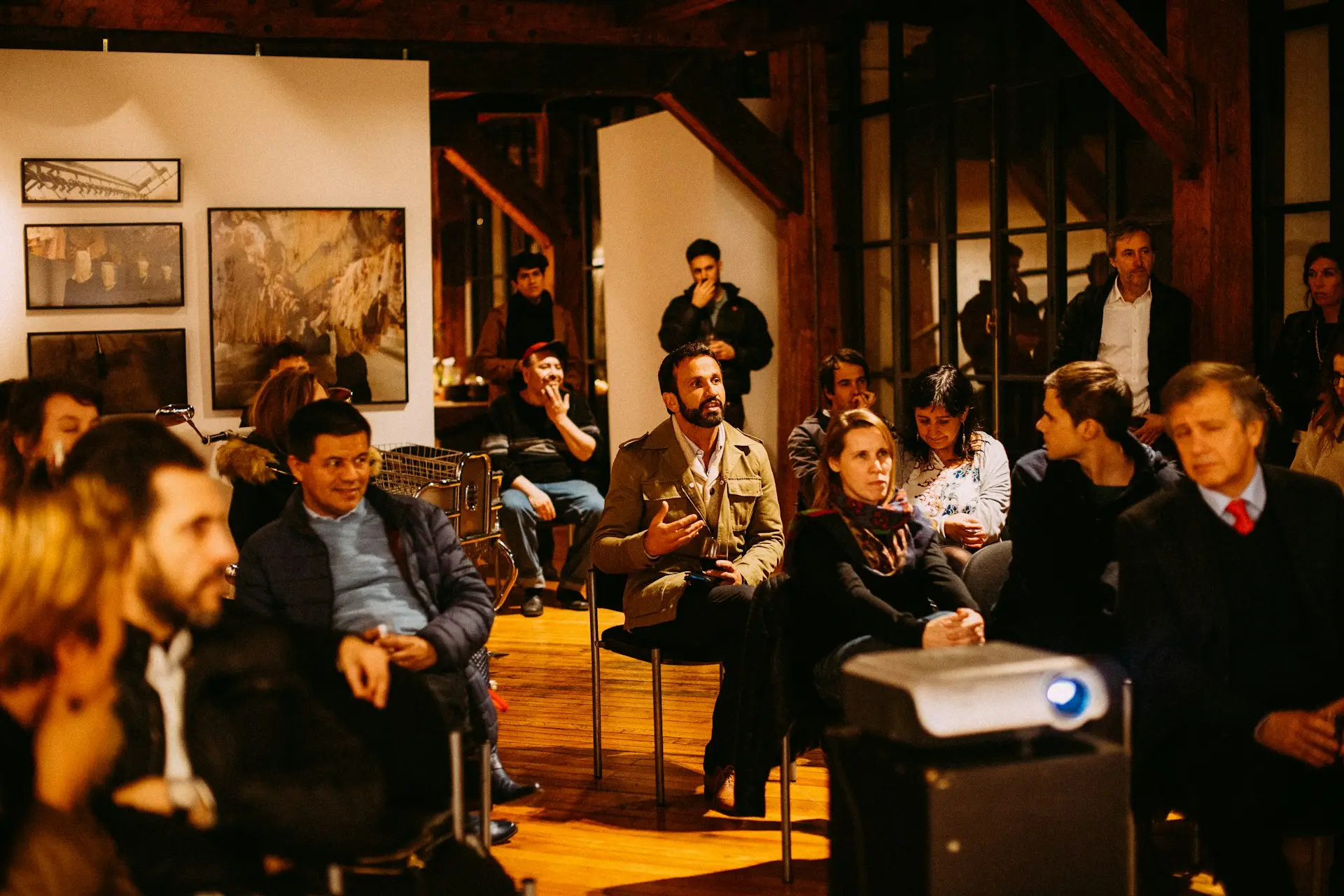
The year-end appeal draft is on the table. The headline reads "Your $50 rescues a hungry child," and the photo shows a boy from your after-school program looking sad beside an empty plate. It tested well last year. Then a program coordinator who grew up in the neighborhood asks a quiet question: "Would his mom be OK with this? Would you want your kid shown this way?"
That question sits at the heart of community-centric fundraising (CCF), a movement and philosophy that asks nonprofits to treat fundraising as part of building a just and healthy community, not just as a transaction between a donor and an organization. It grew out of conversations among fundraisers of color in the Seattle area and is now guided by 10 published principles on the Community-Centric Fundraising website.
This guide explains what CCF means, how it differs from donor-centric fundraising, what its principles ask of you in plain language, how it changes everyday practice, with before-and-after examples of donor communication, and how to start without putting your revenue at risk.
What Community-Centric Fundraising Is
Community-centric fundraising is an approach that puts the well-being of the whole community ahead of any single organization's fundraising success. In practice, it asks you to:
- tell stories that respect the dignity of the people you serve,
- treat donors as partners who hear the truth, not heroes who need flattering,
- value time, volunteering and lived experience alongside money,
- see other nonprofits as allies rather than competitors, and
- talk honestly about what your work really costs, including staff and operations.
Where It Came From
According to the movement's own history, it began with blog posts by Vu Le of NonprofitAF.com, starting in April 2015, that challenged the donor-centric model. Those posts drew on years of conversations with leaders of color, especially women of color, who felt that standard fundraising practice clashed with their values. Seattle-area executive directors and fundraisers of color began meeting regularly, held a convening of about 90 fundraisers of color in August 2018 and launched the movement publicly with its 10 principles in the summer of 2020.
CCF describes itself as a movement rather than a nonprofit. It's fiscally sponsored and mostly volunteer-led, and it presents its principles as a starting point that will look different at every organization, not as a checklist or certification.
Donor-Centric vs. Community-Centric Fundraising
Donor-centric fundraising puts the donor's experience at the center: prompt thanks, personal attention, stories that show the donor's impact and communication tailored to what donors want. It brought real improvements, and many of its habits, such as thanking donors quickly and reporting results, remain good practice.
Critics within the sector, including the CCF movement, argue that a donor-first mindset can go too far. It can cast donors as saviors and the people served as passive recipients, reward organizations that tell the most heartbreaking stories, push nonprofits to hide what their operations really cost, and set organizations against each other in a race for the same donors.
| Area | Donor-centric habit | Community-centric alternative |
|---|---|---|
| Storytelling | The donor is the hero who rescues someone | The community is the main character; the donor joins people already doing the work |
| Images | Emotional images of need and suffering | Images chosen with consent that show people with dignity and strength |
| Impact language | "Your $60 feeds a family for a week" | "Gifts from 400 neighbors, two grants and 70 volunteers kept our pantry shelves full for 1,200 families" |
| Overhead | Promise that 100% of a gift goes to programs | Explain that programs need people, buildings and systems |
| Donor wishes | Accommodate requests to keep the donor happy | Have honest conversations, and decline gifts that would harm the work |
| Recognition | Donors are thanked most visibly | Volunteers, staff, clients and donors are all appreciated |
| Other nonprofits | Competitors for the same dollars | Partners in one local ecosystem |
| Success | Dollars raised and donor counts | Dollars raised plus relationships, trust and community outcomes |
CCF isn't anti-donor. Donors remain essential partners. What changes is the assumption that the donor's comfort comes first in every decision.
The 10 Principles in Plain Language
CCF publishes its 10 principles with detailed explanations. Here's a short summary in our own words; read the original before adopting them, because the details matter.
- Equity and justice come first. Fundraisers learn about racism, wealth inequality and systemic oppression, invite donors into those conversations, and invest in fundraisers from the communities being served. Large organizations shouldn't absorb most of the money while smaller, community-led groups do much of the work.
- The community matters more than any single mission. Organizations see themselves as part of a larger ecosystem, sometimes pass on funding that another group needs more, and regularly ask whether their own work is still what the community needs.
- Nonprofits support each other. That includes sharing resources and grant opportunities, introducing donors to other organizations, giving public credit and collaborating instead of competing.
- Everyone who strengthens the community is valued equally. Staff, board members, volunteers and the people served deserve the same appreciation as donors, and staff deserve fair pay.
- Time counts as much as money. Volunteering, sharing skills and community connections are treated as real contributions, especially from people who can't give much money, and staff overwork is noticed rather than taken for granted.
- Donors are partners, which means honesty. Organizations are transparent with donors, help them understand complex issues, push back respectfully when a donor's wishes would harm the work, and never put a donor's preferences above the community's needs.
- Belonging, not "othering." Stories and images are chosen with care and consent so they don't reinforce stereotypes or a savior narrative, and "we" language includes donors as part of the community.
- Everyone benefits from a just community. Giving is framed as shared investment in a community the donor also lives in, not as pity or charity toward others.
- The work is holistic, not transactional. Organizations report results as a whole instead of assigning each dollar to a specific item, support core operating costs and avoid understating overhead.
- Lasting change requires economic justice. Fundraisers and donors look at the root causes of inequality, including the ways philanthropy itself can reinforce them.
How CCF Changes Everyday Fundraising Practice
You don't have to adopt everything at once. These are the areas where most organizations notice the biggest changes.
Storytelling and Consent
- Ask permission before you tell anyone's story, explain where it will appear and let the person review it.
- Offer a meaningful thank-you, such as a gift card or honorarium, when community members spend time sharing their experience for your fundraising.
- Let people tell their own stories in their own words, and avoid "before and after" framing that implies they were helpless before you arrived.
- Choose photos that show people as active participants, and never use images of children in a way their parents wouldn't accept.
Talking About Money and Impact
- Report impact as a shared result: what donors, grants, volunteers and staff accomplished together.
- Stop promising that every dollar goes directly to programs. Explain why rent, salaries, software and training make the programs possible.
- Publish your budget or annual report in plain language. Our guide to the nonprofit annual report shows how.
Donor Relationships
- Invite donors into real conversations about the issues behind your work, not just updates on your activities.
- Set clear gift acceptance guidelines so you can decline a gift whose conditions would harm the people you serve, and explain why.
- Keep everything that works about good donor stewardship: prompt thanks, honest updates, and personal attention.
Recognition and Appreciation
- Thank volunteers, staff and program participants as visibly as donors, for example in your newsletter, at your gala and in your annual report.
- Track volunteer hours alongside gifts and recognize both. Our guide to donor recognition can be adapted to include volunteers.
Collaboration
- Co-host an event with a partner organization and split the proceeds.
- Share a grant opportunity that fits a smaller partner better than it fits you.
- Mention other local organizations to donors who care about issues you don't address.
Measuring Success
Count dollars, but also count relationships and trust: how many community members helped shape a campaign, how many volunteers returned, how donors responded to honest communication, and whether the people you serve felt respected by your stories. Our guide to nonprofit KPIs covers financial and program measures you can combine with these.
Donor Communication: Before and After
Small changes in wording reflect a different relationship. These examples show common donor-centric phrasing and a community-centric alternative.
| Situation | Before | After |
|---|---|---|
| Appeal headline | "Your $50 rescues a hungry child." | "Neighbors are making sure every kid on the east side eats well this winter. Join us." |
| Impact statement | "Your $500 sent Jasmine to camp, and every cent went straight to programs." | "This summer, 140 campers, 35 volunteer counselors, our staff and supporters like you made camp happen. Your $500 was part of that." |
| Thank-you letter opening | "You are the hero of this story." | "Thank you for being part of this community." |
| Social media post | Photo of a crying child with "Help her today." | A family's own words, shared with permission, about what they built with the program. |
| Event remarks | "None of this would be possible without our generous donors." | "This happens because of families, volunteers, staff, partners and donors working together." |
A Sample Community-Centric Appeal
Dear Sam,
This fall, parents on the east side told us what they needed most: a safe place for their kids between 3 and 6 p.m., with a hot meal and help with homework. So we built it together. Parents run the snack schedule, high school volunteers lead study hall and our staff coordinate the rest.
Today, 85 kids come every weekday. Twenty more families are waiting.
Will you join this community with a gift of $100? Together with our grants, volunteers and staff, your support keeps the doors open, the lights on and the meals hot, so we can welcome those 20 families in January.
With gratitude,
Angela Brooks, on behalf of the Eastside Families Council
Responding to "I Only Want My Gift to Go to Programs"
Thank you for asking, and for caring how your gift is used. Our after-school program runs because of a site director, a safe building, background checks for every volunteer and a bus that runs on time. Those costs are the program. If you'd like, I'm glad to walk you through our full budget so you can see how each part supports the kids.
Tensions and Honest Trade-Offs
CCF raises real questions, and you'll handle them better if you name them openly.
- Revenue pressure. Board members may worry that removing emotional appeals will cost money. Test changes on one appeal, measure the result and decide based on your own data.
- Major donor expectations. Some large donors expect naming rights or restricted gifts. CCF doesn't require you to refuse recognition; it asks you to keep the community's needs first and to have honest conversations when interests conflict.
- Board duties. Under state law, board members generally owe their own organization duties of care and loyalty. Sharing donors or passing on a grant is a strategic decision for the board, not something staff should do quietly. Our overview of nonprofit board responsibilities explains these duties.
- Tokenism. Changing the language without changing who has a say is just marketing. Involve community members in decisions, not only in photos.
- Organizations outside social services. A youth sports league, arts group or alumni association can still apply many principles, such as consent in storytelling, valuing volunteer time and honest reporting, even if its mission isn't primarily about justice.
- Measurement. Trust and belonging are harder to count than dollars. Decide on a few simple indicators, such as how many program participants helped shape your messages, and track them over time.
Practical Steps to Get Started
Start with a 90-day plan that changes a few habits you can see and measure.
| Phase | Actions | Owner |
|---|---|---|
| Days 1 to 30 | Read the principles together; audit the last 12 months of appeals, posts and reports with the checklist below; ask three program participants and three volunteers how they feel about how you portray them | Executive director with a staff and volunteer working group |
| Days 31 to 60 | Write a story consent policy; rewrite one appeal and your thank-you letter templates; start recording volunteer hours and recognizing them; discuss gift acceptance guidelines with the board | Development lead and board chair |
| Days 61 to 90 | Send the revised appeal and compare results; plan one collaboration with a partner organization; publish a plain-language budget summary; set two or three community-centered measures | Development lead and program director |
Recording volunteer time and community roles is easier in one place. In campai, you can add custom fields and tags to member and contact profiles, for example volunteer hours or committee roles, and use saved segments to thank volunteers and donors with the same care.
Communication Audit Checklist
COMMUNITY-CENTRIC COMMUNICATION AUDIT

For each appeal, post, report or speech in the last 12 months:
[ ] Did the people in the story consent, and did they see the final version?
[ ] Is the community, rather than the donor, the main actor?
[ ] Are people shown with dignity, not only in moments of need?
[ ] Do we use "we" language that includes donors in the community?
[ ] Did we avoid tying a specific dollar amount to a specific person?
[ ] Did we avoid claims such as "100% of your gift goes to programs"?
[ ] Did we thank volunteers, staff and partners, not only donors?
[ ] Did we credit other organizations that contributed?
[ ] Would the person pictured be comfortable seeing this?
CCF's own FAQ also points to an aligned-actions list as a self-assessment starting point, and stresses that no assessment is a stamp of approval.
Frequently Asked Questions
What is community-centric fundraising?
Community-centric fundraising is a movement and philosophy that treats fundraising as part of building a just community. It emphasizes equity, honest relationships with donors, respectful storytelling, collaboration between nonprofits and valuing every kind of contribution, not just money. Its 10 principles are published by the CCF movement.
What is the difference between donor-centric and community-centric fundraising?
Donor-centric fundraising puts the donor's experience and satisfaction at the center of decisions. Community-centric fundraising puts the community's well-being at the center and treats donors as partners within it. Both value thanking and informing donors; they differ in storytelling, how impact and overhead are described, and how donor wishes are weighed.
Does community-centric fundraising mean we stop thanking donors?
No. Prompt, sincere thanks remain essential. CCF asks you to extend the same appreciation to volunteers, staff and the people you serve, and to thank donors as members of a community rather than as rescuers.
Can small nonprofits practice community-centric fundraising?
Yes. Many of the most useful changes cost nothing: getting consent for stories, rewriting a thank-you letter, recognizing volunteers, describing impact as a shared result and partnering with a neighboring organization on one event.
Will community-centric fundraising reduce our revenue?
Nobody can promise either way, and results will differ by organization. Test changes on one appeal or campaign at a time, compare results with your history and adjust. Build the changes into your nonprofit fundraising plan so they're measured rather than guessed.
Can we combine donor-centric and community-centric practices?
Many organizations do. Keep the donor-centric habits that respect donors, such as fast thanks and clear reporting, and replace those that conflict with your community's dignity, such as savior framing or misleading overhead claims.
Next Steps
- Read the CCF principles in full with your staff, board and a few volunteers.
- Audit your last 12 months of donor communication with the checklist above.
- Ask program participants how they want to be represented, and write a consent policy.
- Rewrite one appeal and your thank-you template, then compare results.
- Start recording and recognizing volunteer time alongside gifts.
- Plan one collaboration with a partner organization this year.
For the conversation itself, our guide on how to ask for donations includes scripts you can adapt to community-centric language. If you're building a nonprofit's systems for members, volunteers and donors, see how campai supports nonprofits.